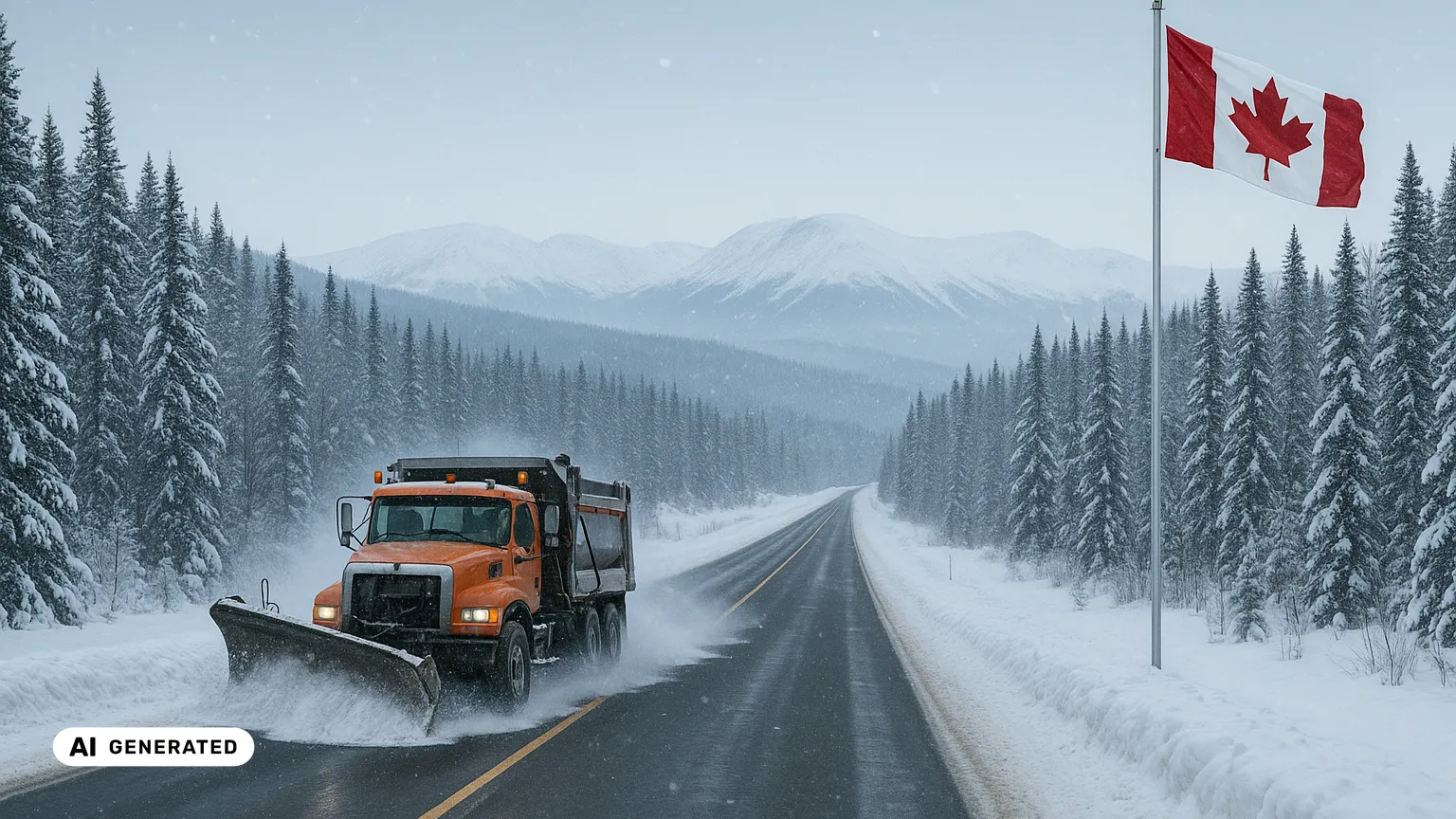
Canada
24 city guides across 11 provinces and territories
Alberta · British Columbia · Manitoba · New Brunswick · Newfoundland and Labrador · Northwest Territories · Nova Scotia · Ontario · Prince Edward Island · Quebec · Saskatchewan
Winter service
Local guides to winter service around the world: what winter is like in a given city, what the local snow and ice clearing rules are, and who is responsible.
Winter service is everything that keeps walkways, driveways and roads usable through the cold season: clearing snow, treating ice, and checking surfaces as conditions change. The underlying idea is the same almost everywhere — whoever looks after a surface should keep it from becoming a hazard, as far as is reasonable. What differs is the detail: which surfaces, by when, and who carries the responsibility.
There is no rule that applies the same way everywhere, on two levels. Within a country, the specifics are usually set locally — a city, a municipality, a council. And across borders the legal framework differs entirely: a clearing duty written for one jurisdiction does not transfer to another. That is why these guides are organised by country and then by city, rather than pretending one explanation fits all.
Snow and ice clearing is not abstract. It depends on what winter actually looks like in a given place. A high prairie city with sudden thaws faces different problems than a coastal city that rarely sees deep snow but freezes and thaws often, or a northern city with a long, hard season. Topography decides which spots are worst: bridges and overpasses freeze before the streets around them; steep, shaded streets stay icy longer than flat open ones.
For anyone running winter service, a clear record of when and where a route was treated — and under what weather — can matter later, whatever the local rule happens to be. Every city guide below carries location-specific facts, not interchangeable filler.
These guides give a plain overview of winter service in individual countries and cities. They are not a substitute for the local rule that applies, and they are not legal advice. Where a statement is not explicitly sourced, treat it as general orientation; for anything binding, the wording of the local rule and the responsible authority govern.
Not sure what to budget for a season? Try the winter service cost calculator for a rough estimate based on your area and local conditions.
24 city guides across 11 provinces and territories
Alberta · British Columbia · Manitoba · New Brunswick · Newfoundland and Labrador · Northwest Territories · Nova Scotia · Ontario · Prince Edward Island · Quebec · Saskatchewan
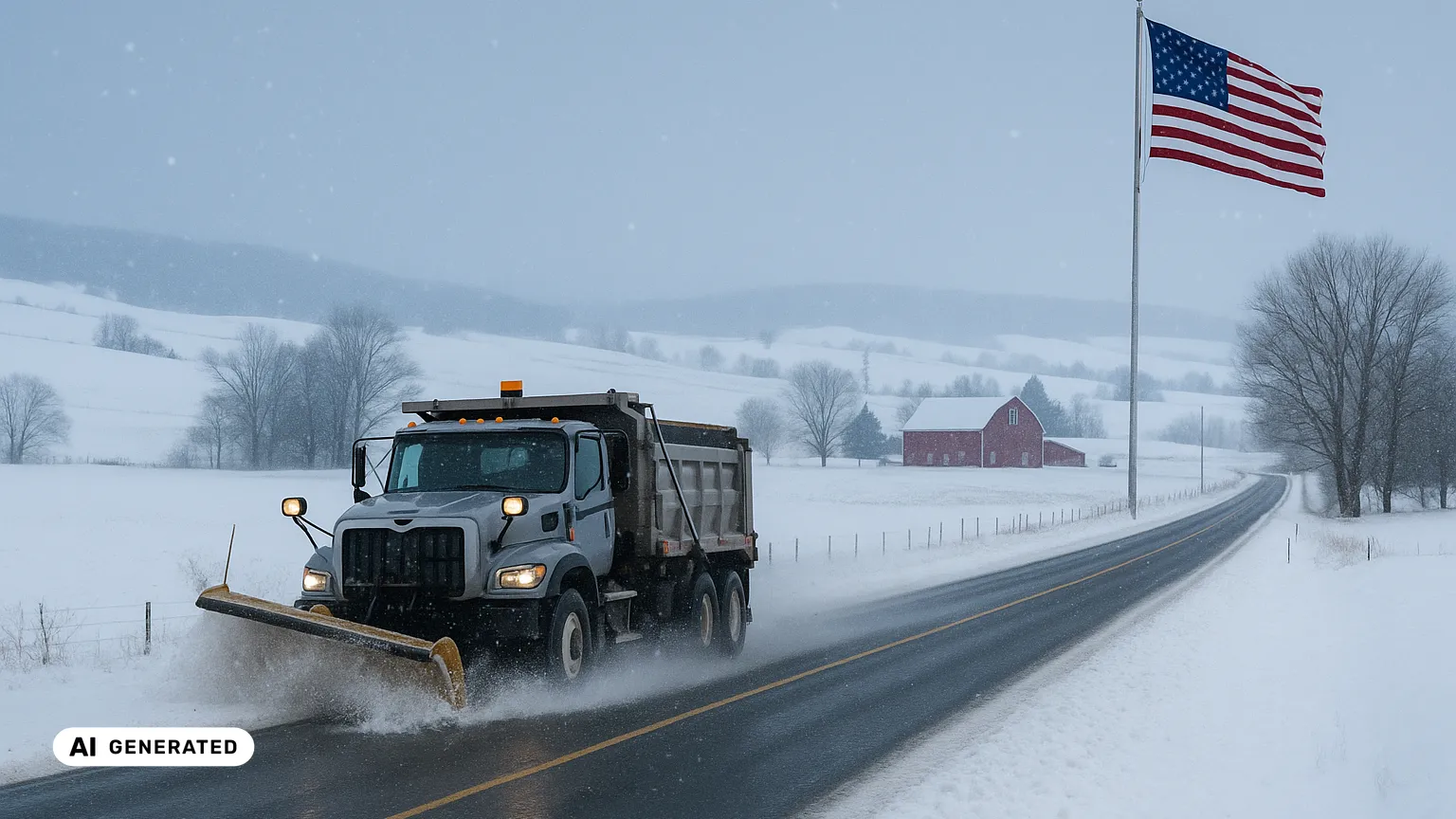
32 city guides across 15 states
Alaska · Colorado · Illinois · Maine · Massachusetts · Michigan · Minnesota · New York · North Dakota · Ohio · Pennsylvania · Utah · Vermont · Washington · Wisconsin
Wintertrace is open-source software for documenting winter service: a GPS track, weather records and a photo are combined into a structured PDF service proof. It runs on ordinary web hosting with PHP and MySQL — no cloud lock-in, no licence fee. The record can show that a route was cleared and treated; it is not a substitute for legal advice.
Wintertrace is early and shaped by real winter service work. Share your feedback →