Winter service in United States
No country has more kinds of winter than the United States. The eastern Great Lakes get buried by lake-effect snow that can drop several feet on one suburb and leave the next almost bare; the Northeast takes the brunt of coastal nor'easters; the Upper Midwest and the Rockies run deep, long cold; ice storms glaze the middle of the country; and even the mild South sees the occasional freeze that shuts a city down precisely because it so rarely happens. What "winter service" means is not the same in Buffalo as it is in Denver, Boston or Atlanta.
Clearing snow and ice is overwhelmingly a local matter. Cities and towns set their own rules — who clears the sidewalk, by when, and what the public works department plows first — and each one runs its own operation, from salt routes to plow trackers. There is no single national standard: the sidewalk rule that applies on one block does not travel to the next city, let alone the next state.
The city guides below explain what winter actually looks like in a given place, what the local clearing rules are, and who is responsible — as plain orientation, not legal advice. Local rules change and are enforced differently from place to place, so the sourced detail on each page points back to the city's own code and public-works pages.
For anyone running winter service, keeping a clear record of when and where a route was treated can matter regardless of which local rule applies — a time-stamped account of what was done, set against the conditions at the time, is useful whoever ends up asking.
Alaska
Alaska
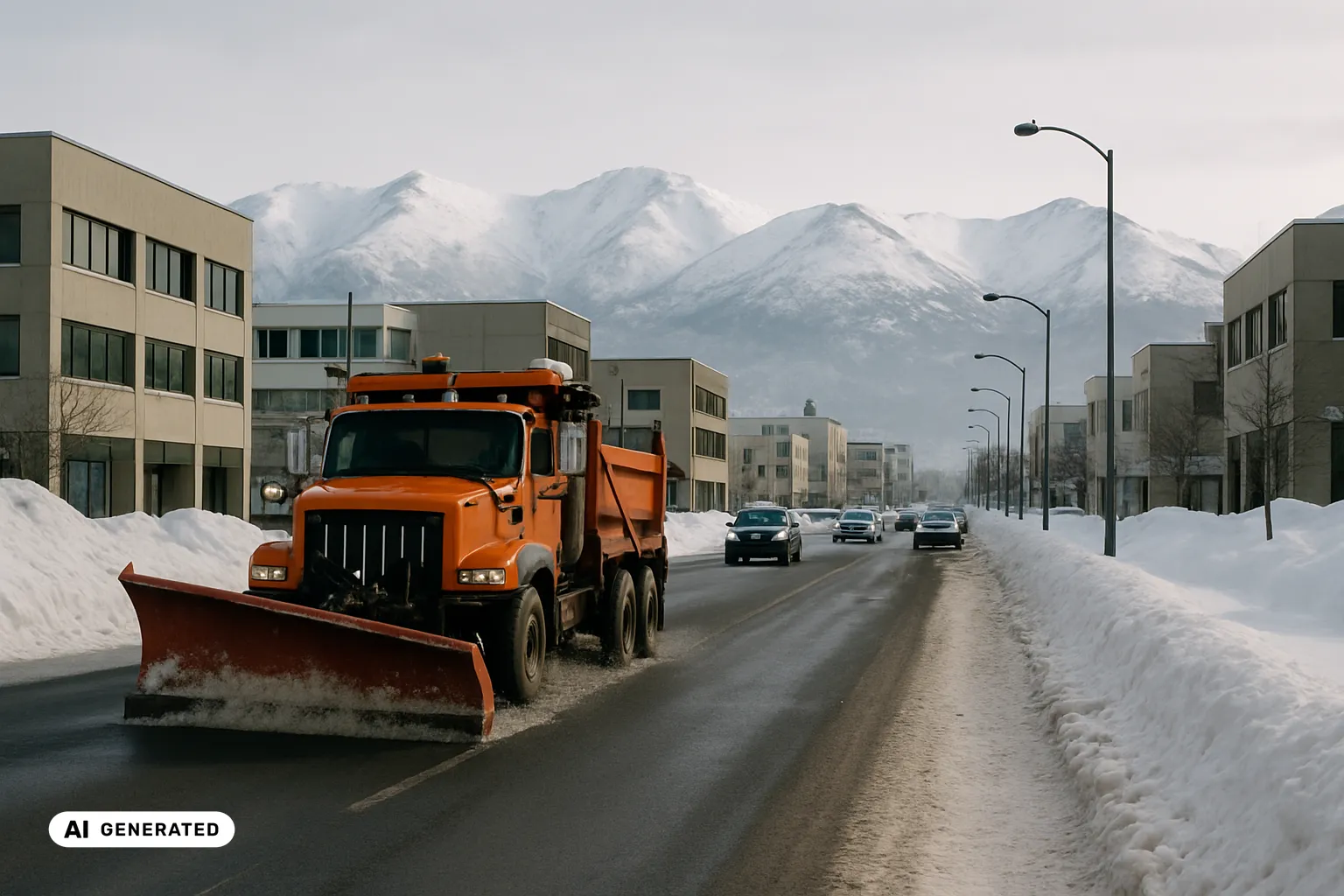
Winter service in Anchorage
What winter is really like in Anchorage: a subarctic city at 61°N with about 74.5 inches of snow a year, months of unbroken snowpack, and a genuinely unusual split of who clears what — the Municipality, the State of Alaska and private Road Service Areas each plow different roads. The Bowl-to-Hillside snow gradient, the depth-based plow-out schedule, the driveway-berm 'gate' graders, and Anchorage Municipal Code 24.80.090.
Alaska
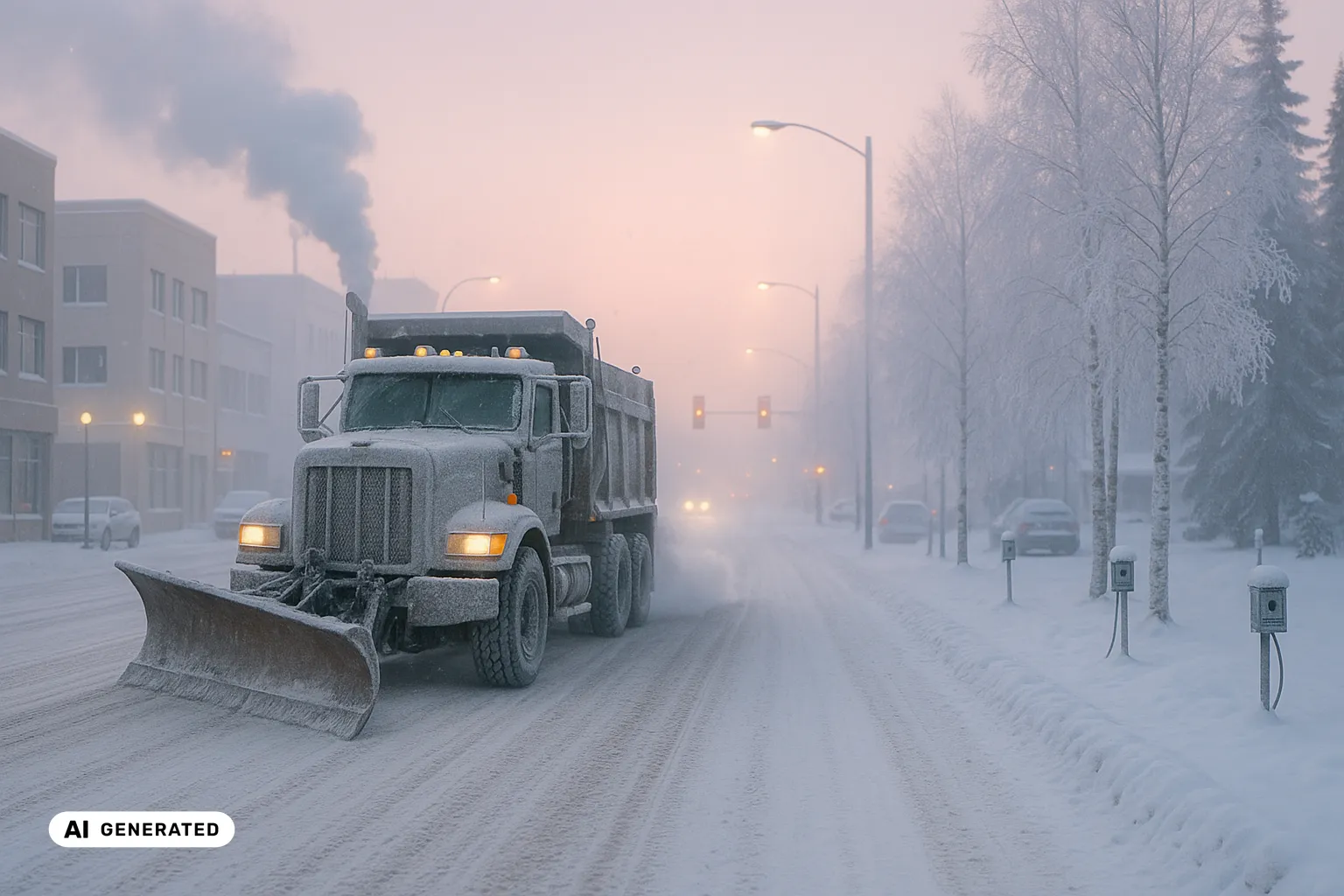
Winter service in Fairbanks
What winter is really like in Fairbanks, Alaska: about 65 inches of snow a season, but a January mean low of −17.2 °F and 114 days a year at or below zero. Why sodium chloride is not in the toolbox, what FGC § 70-161 asks of the person in control of a property and the five working days before the City bills you, the four-to-six-week neighbourhood rotation, and why 103 volunteer-run road service areas decide who plows outside the city line.
Colorado
Colorado
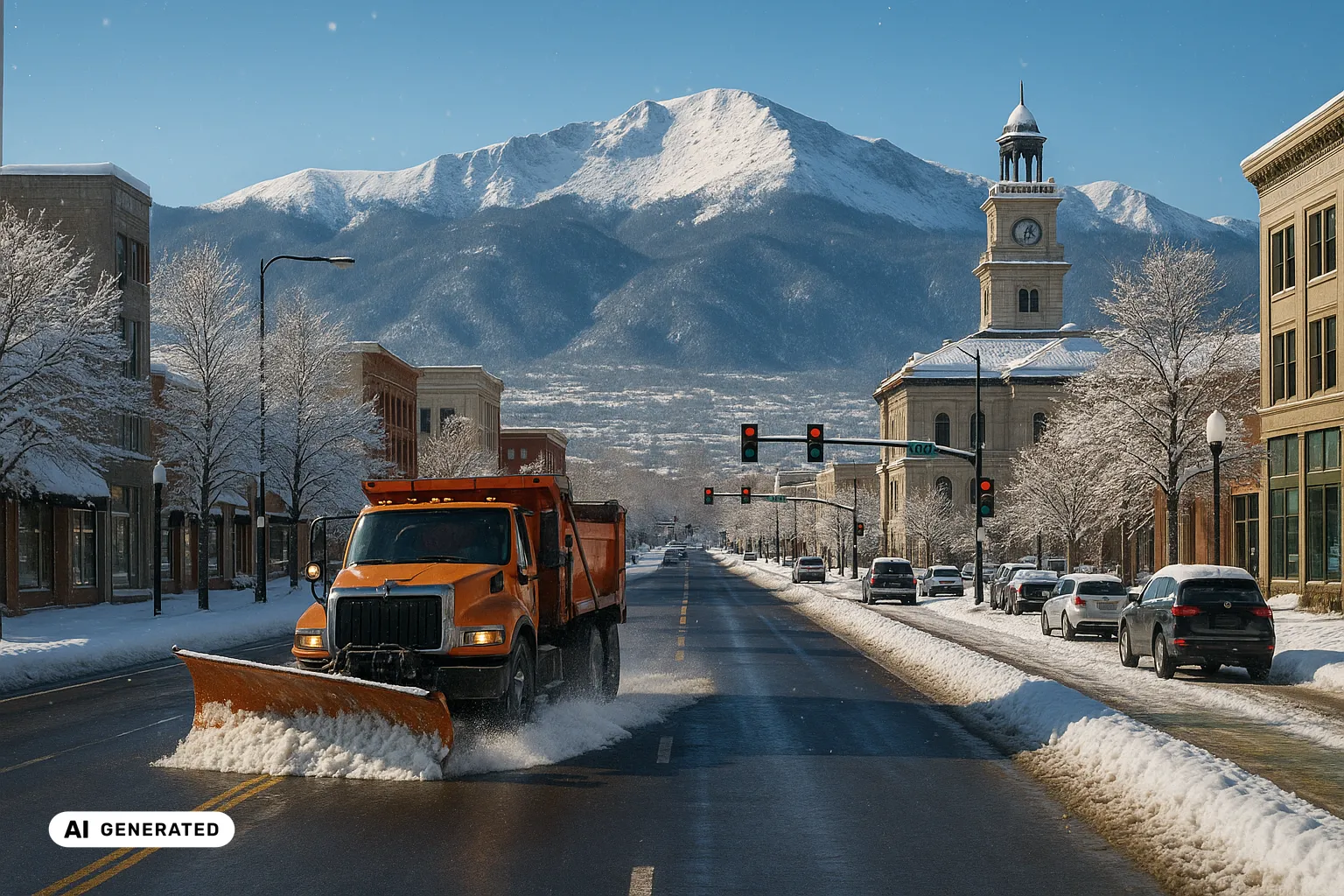
Winter service in Colorado Springs
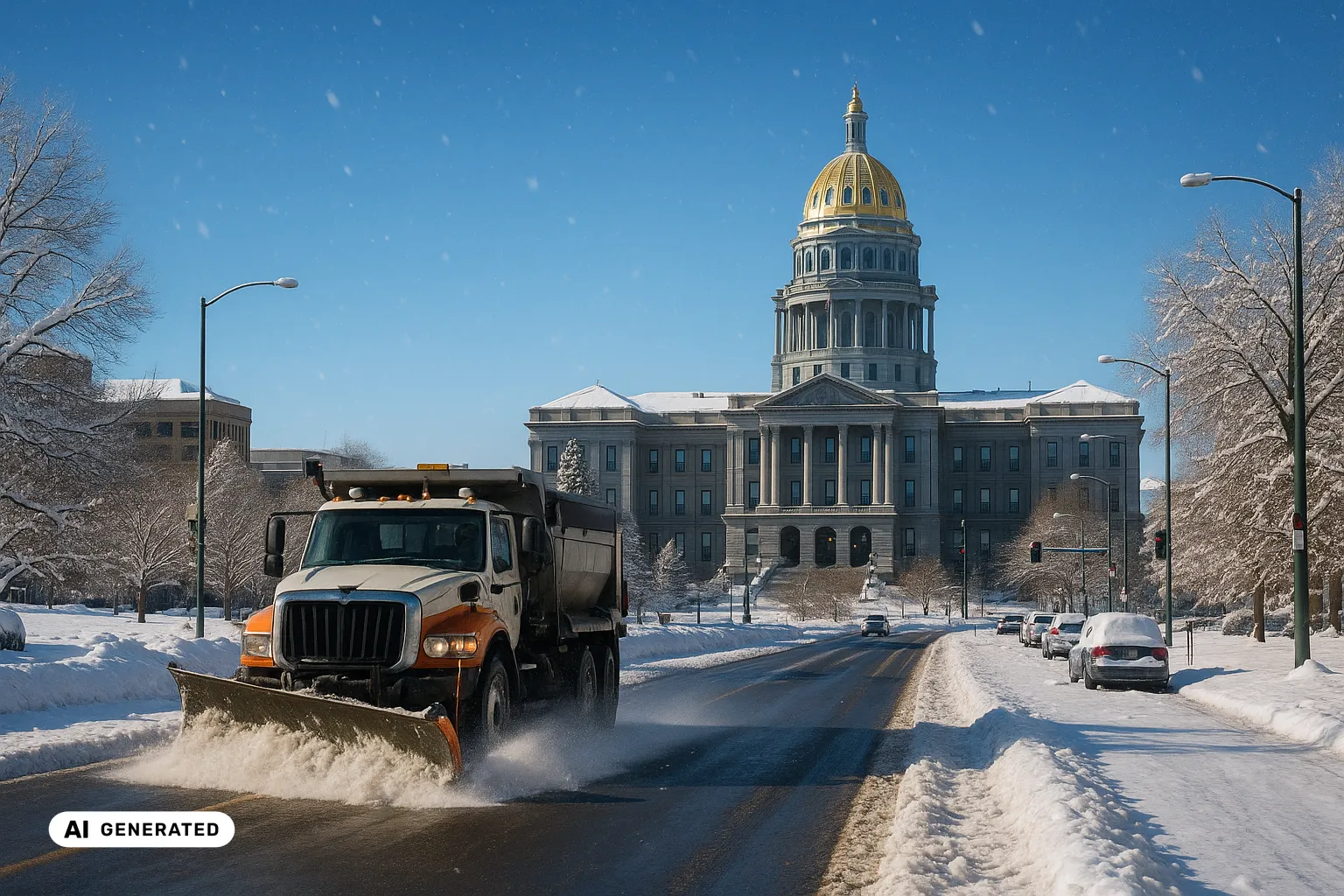
What winter is really like in Colorado Springs: about 33 inches of snow a year at the foot of Pikes Peak, yet a city where the Palmer Divide and the mountain's north slopes catch the big totals a few miles away. Why March and April are the snowiest months, how the City ploughs main routes first and leaves residential streets until six inches fall, and the ordinance that makes an uncleared walk 'negligence per se'.
Colorado
Winter service in Denver
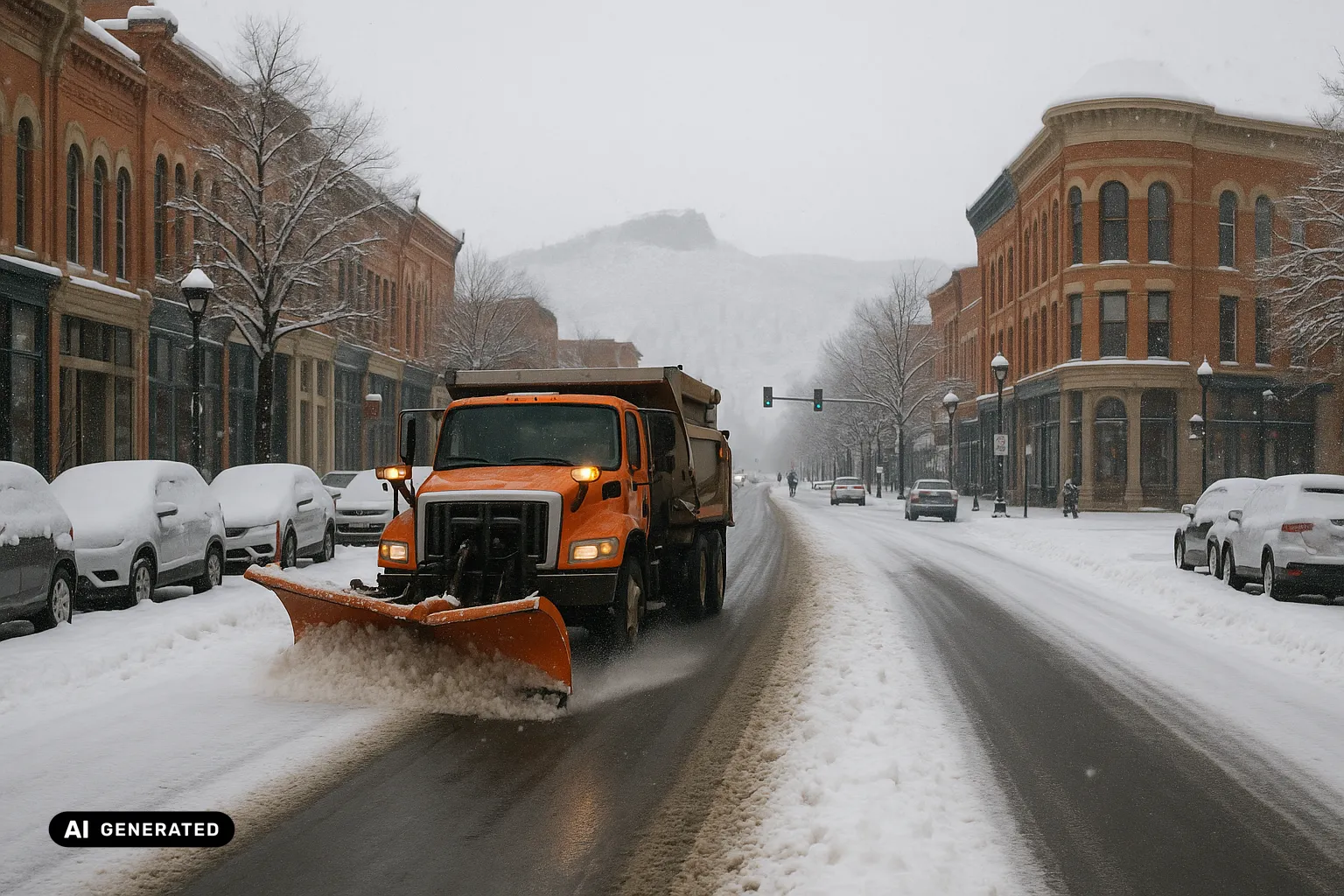
What winter is really like in Denver: about 49 inches of snow a year at a mile high, but a city where the sun and dry air melt it between storms. Why March is the snowiest month, how the City ploughs main streets but leaves residential ones to a single pass, and the DOTI rule that gives businesses just four hours to clear the walk.
Colorado
Winter service in Fort Collins
What winter is really like in Fort Collins: about 51 inches of snow a year on the northern Front Range, with March the snowiest month and a climate record kept on the same campus since 1889. Why the City ploughs Priority 1–3 streets but never routinely clears residential ones, how a GPS-tracked fleet de-ices with Apex Meltdown rather than salt and sand, and the 2025 sidewalk rule that lets under-two-inch snow lie while ice must always come off.
Illinois
Illinois
Winter service in Chicago
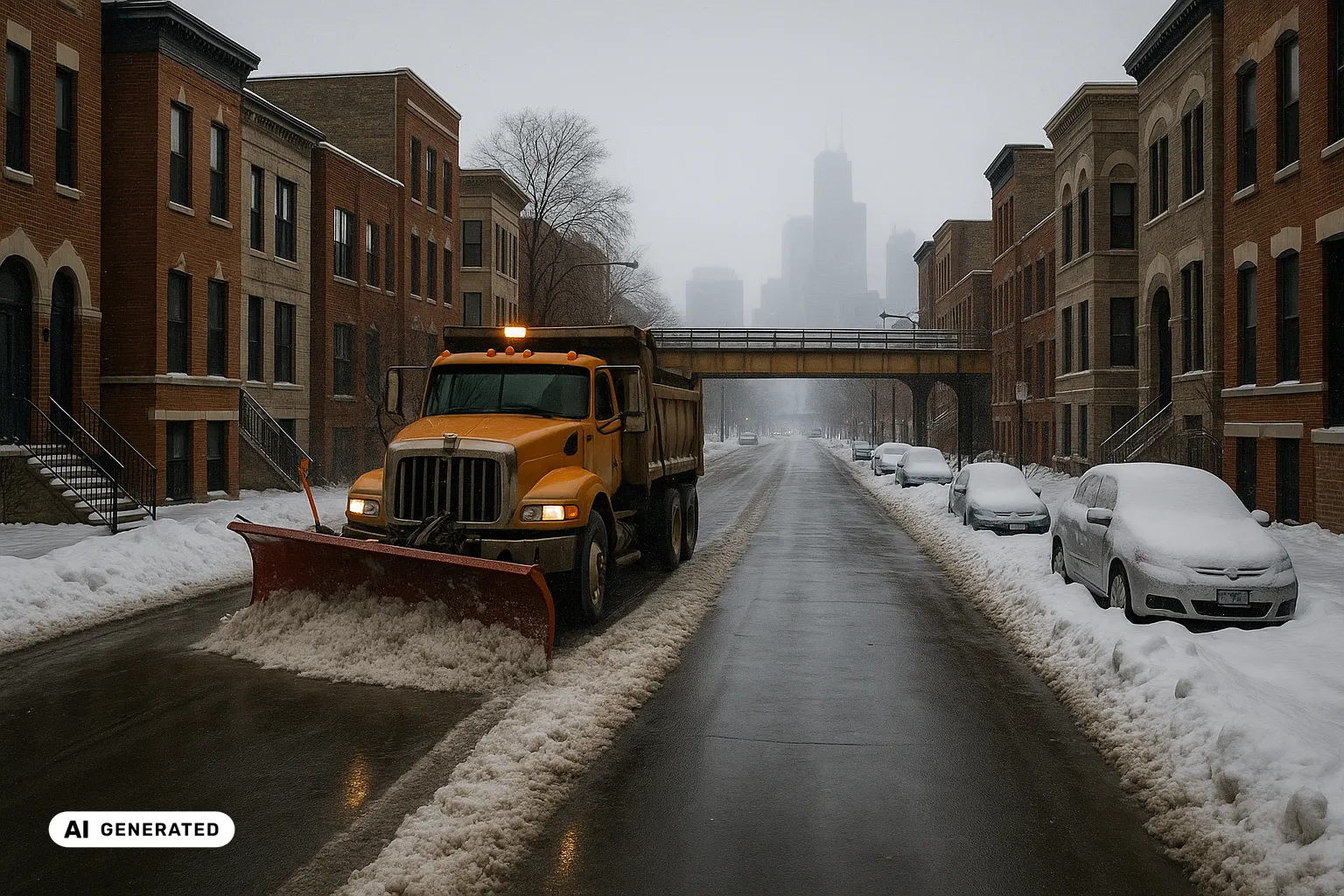
What winter is really like in Chicago: about 38 inches of snow a year at O'Hare — almost exactly what Rockford gets 90 miles inland, because the city sits upwind of Lake Michigan, not downwind. The real winter here is area and cold: 9,400 lane miles, six weeks of days that never rise above freezing, two separate parking bans, and a sidewalk rule under Municipal Code 10-8-180 with deadlines set to the hour.
Illinois
Winter service in Rockford
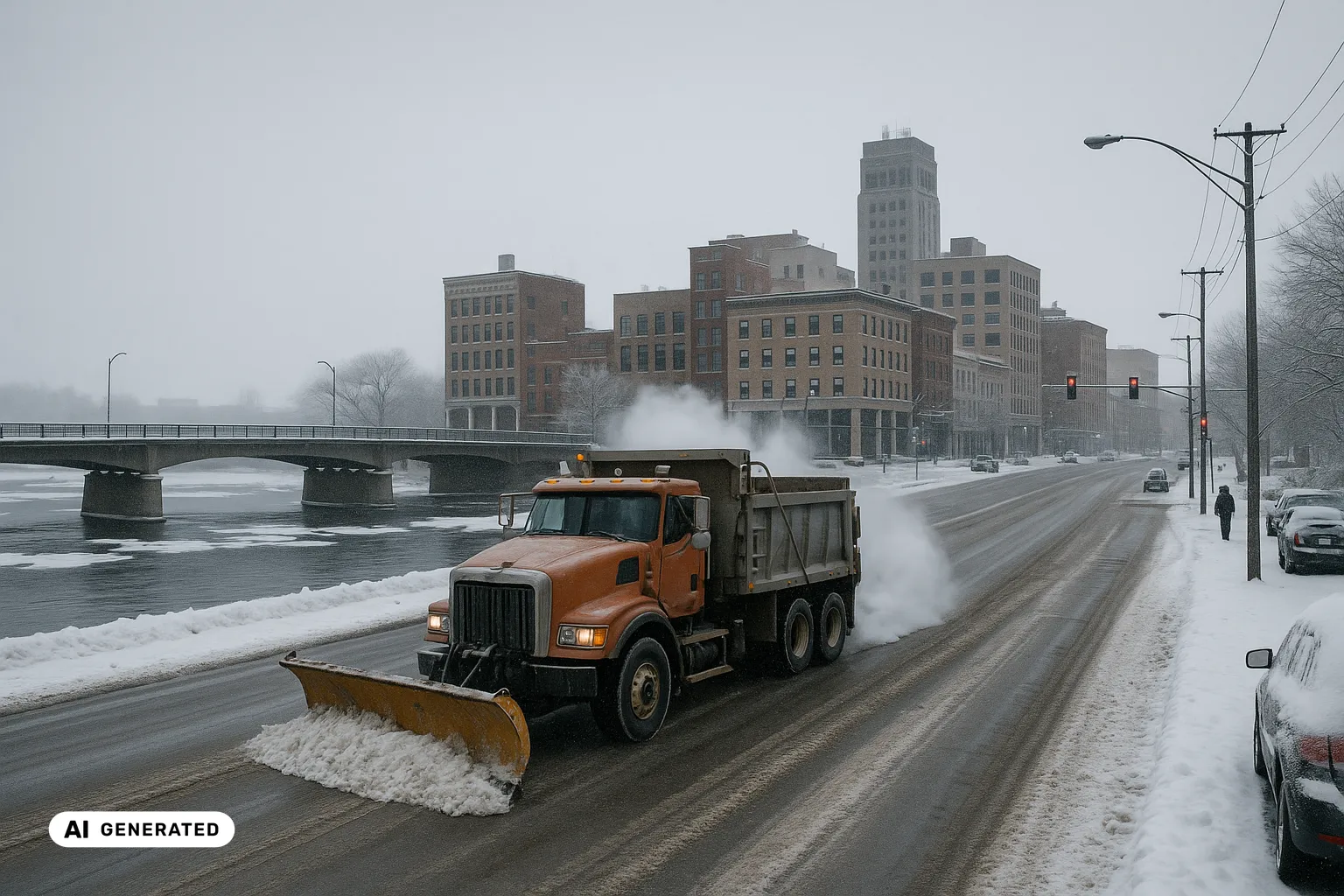
What winter is really like in Rockford, Illinois: 37.1 inches of snow a season against Chicago's 38.4 on the same normals — but 135.8 frost nights to Chicago's 121.3 and 11.5 nights at or below zero to 6.5. The § 26-10 noon deadline that binds only lots "to which the general public is invited", the Illinois Snow and Ice Removal Act and the 2016 decision that marked its limit, the odd/even rule and the $60 ticket, and why the plow contractor never carries salt.
Maine
Maine
Winter service in Bangor
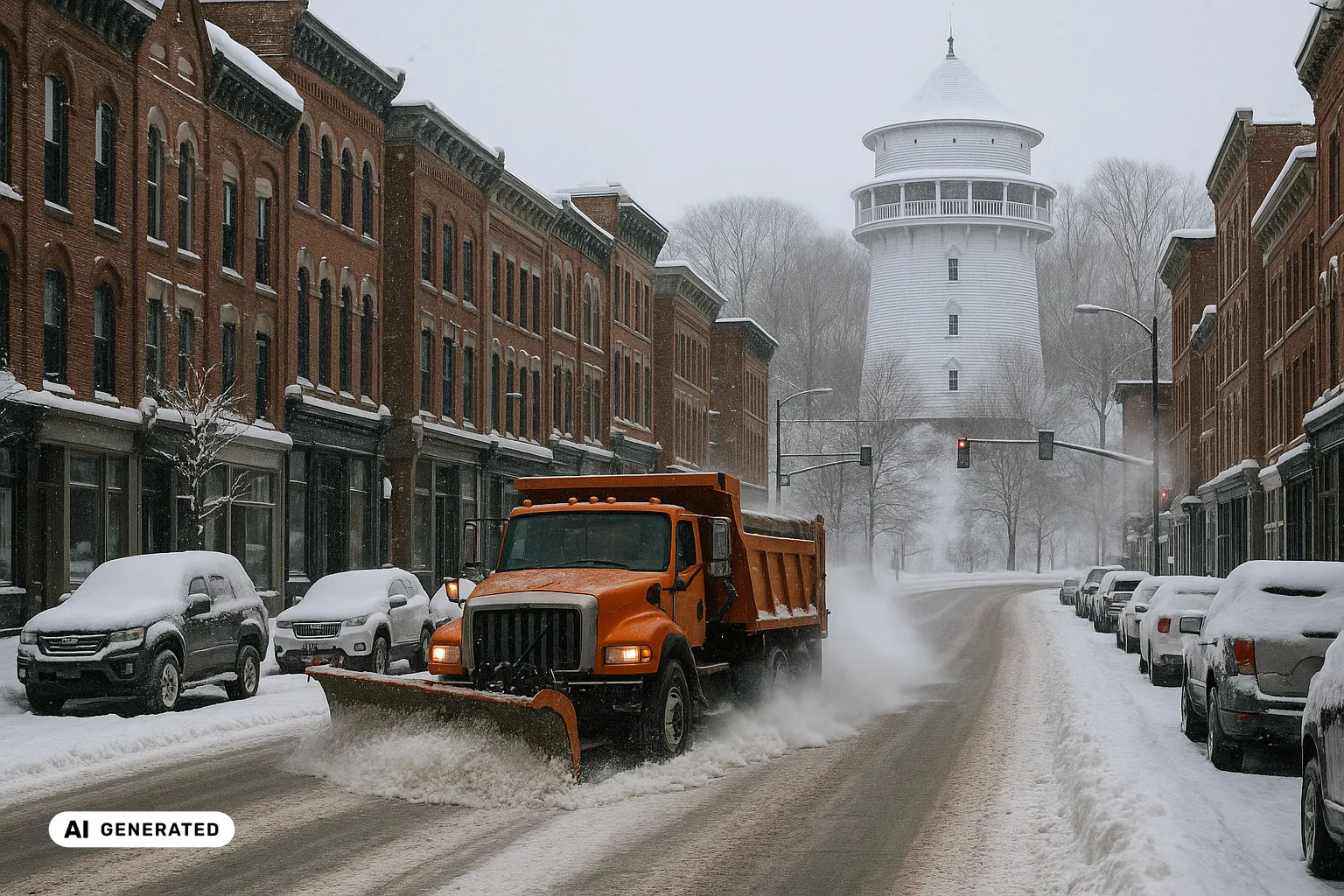
What winter is really like in Bangor, Maine: 74.6 inches of snow a year at the airport, but the number that matters is the January mean high of 28.1 °F — below freezing, where coastal Portland sits exactly on it. The city clears roughly 90 miles of sidewalk itself with six named machines, the owner's clearing duty under § 257-2 applies only in the Downtown Parking Management District, and the winter parking rule the City announced is not the one still written in the code.
Maine
Winter service in Portland
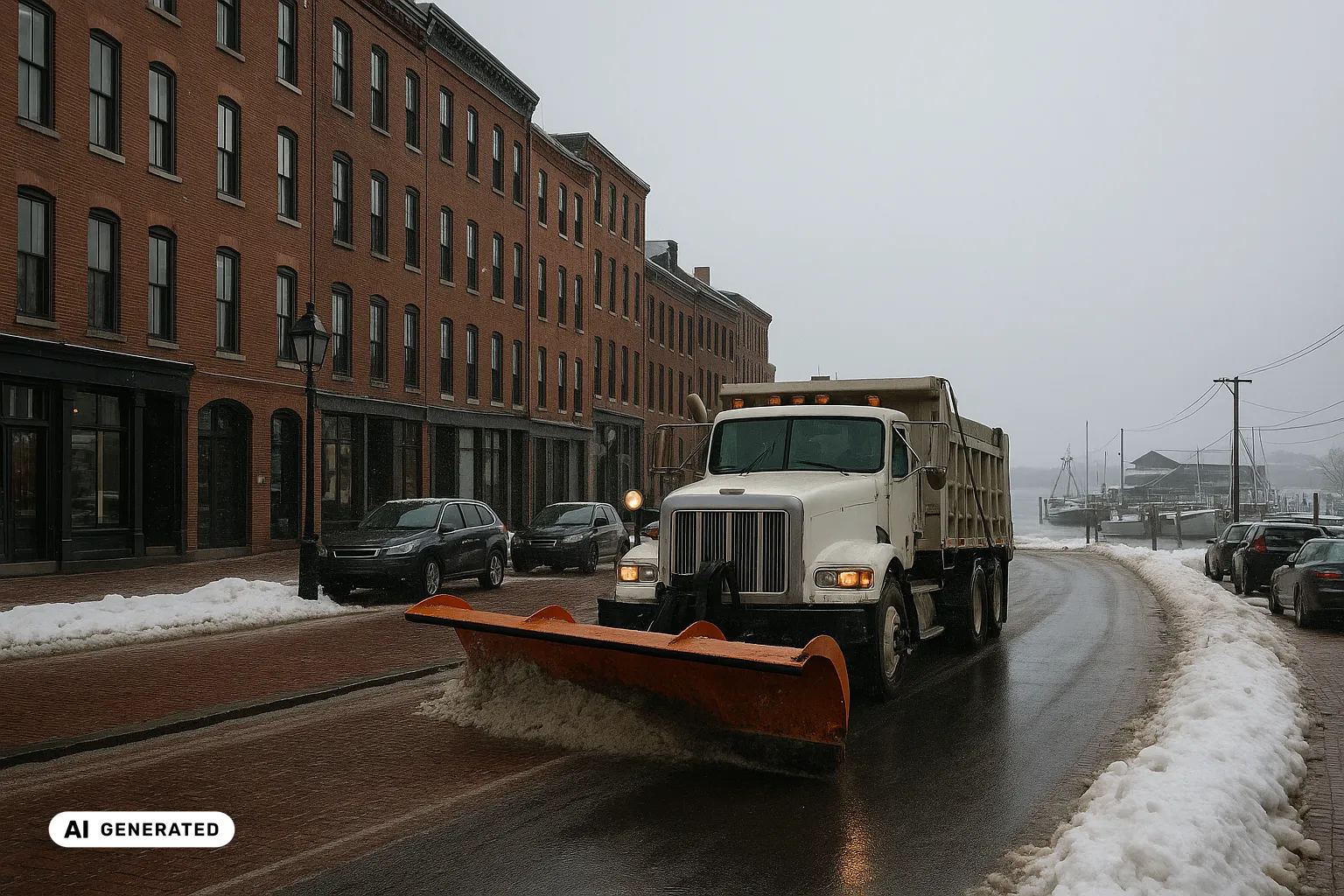
What winter is really like in Portland, Maine: about 69 inches of snow a year at the Jetport — one of the snowiest large cities on the US East Coast — driven by nor'easters off the Gulf of Maine, on a low peninsula that is more water than land. The City's 12-hour business / 18-hour residential sidewalk rule under Chapter 25, the overnight parking ban with its $130 penalty, and the record coastal tides of January 2024.
Massachusetts
Massachusetts
Winter service in Boston
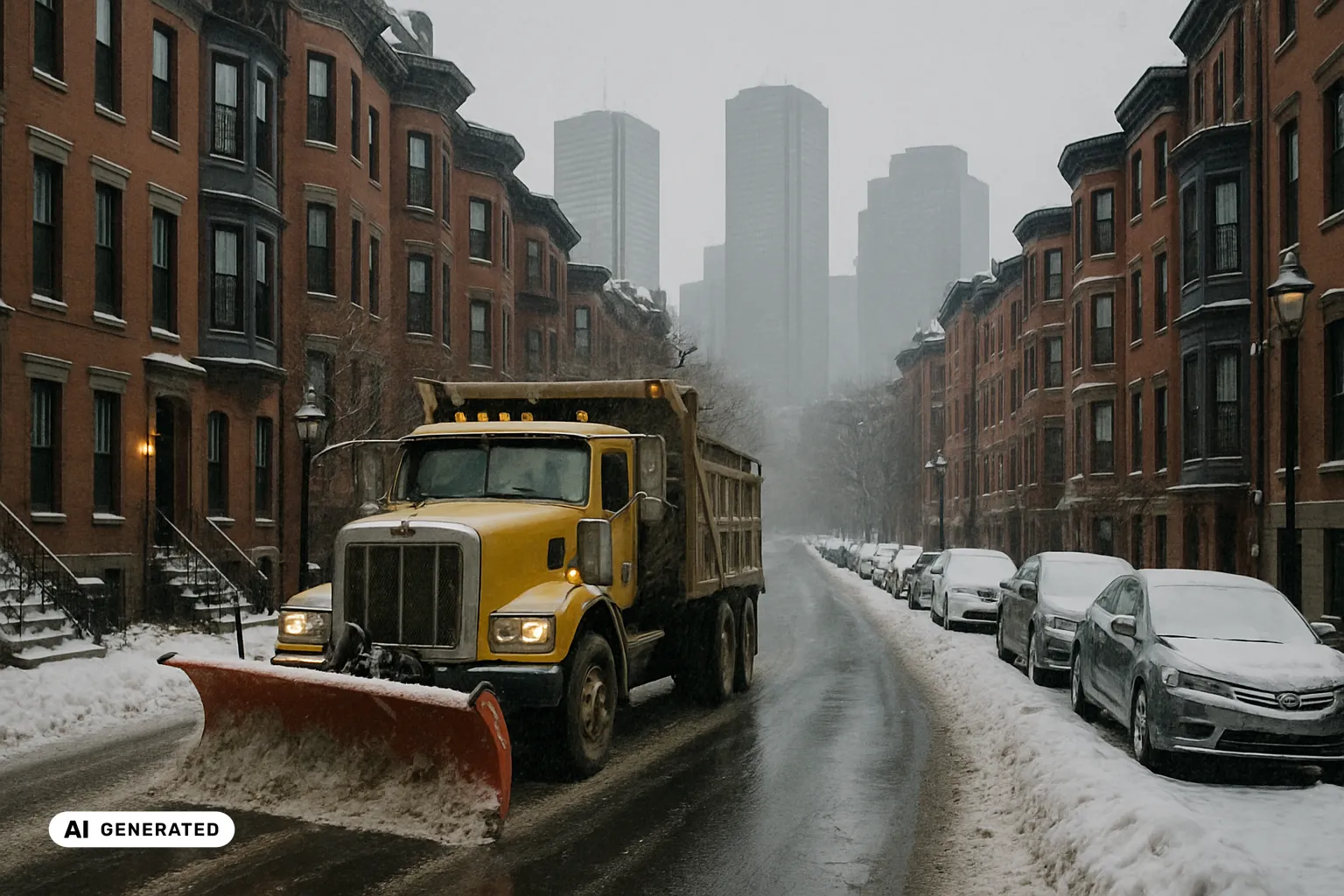
What winter is really like in Boston: about 49 inches of snow a year at Logan, but delivered in a handful of nor'easters rather than steady snowbelt bands — the record 110-inch winter of 2015 fell in four storms in four weeks. The low, built-on-fill coast that floods, the City's 3-hour / 42-inch sidewalk rule under Ordinance 16-12.16, how Public Works plows the arteries first, and the Boston-only 'space savers'.
Massachusetts
Winter service in Worcester
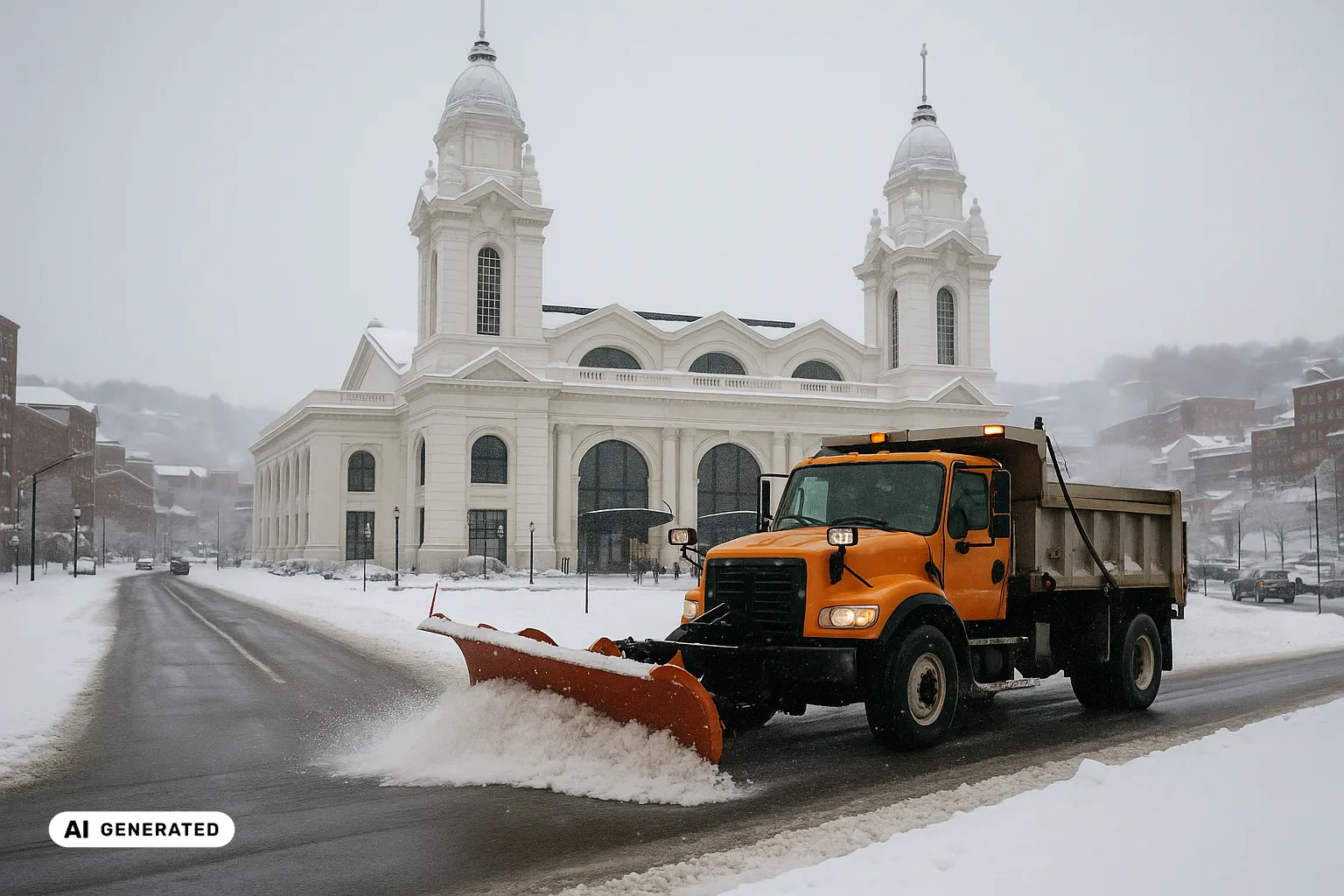
What winter is really like in Worcester, Massachusetts: about 72.9 inches of snow a year at 479 feet, nearly 24 inches more than Boston 40 miles away, because the coastal storms that fall as rain there fall as snow here. The ten-hour rule under Chapter 12 § 23, the four-foot path that must reach the crosswalk button, the $75-a-day penalty, and what Papadopoulos v. Target means for contractors.
Michigan
Michigan
Winter service in Grand Rapids
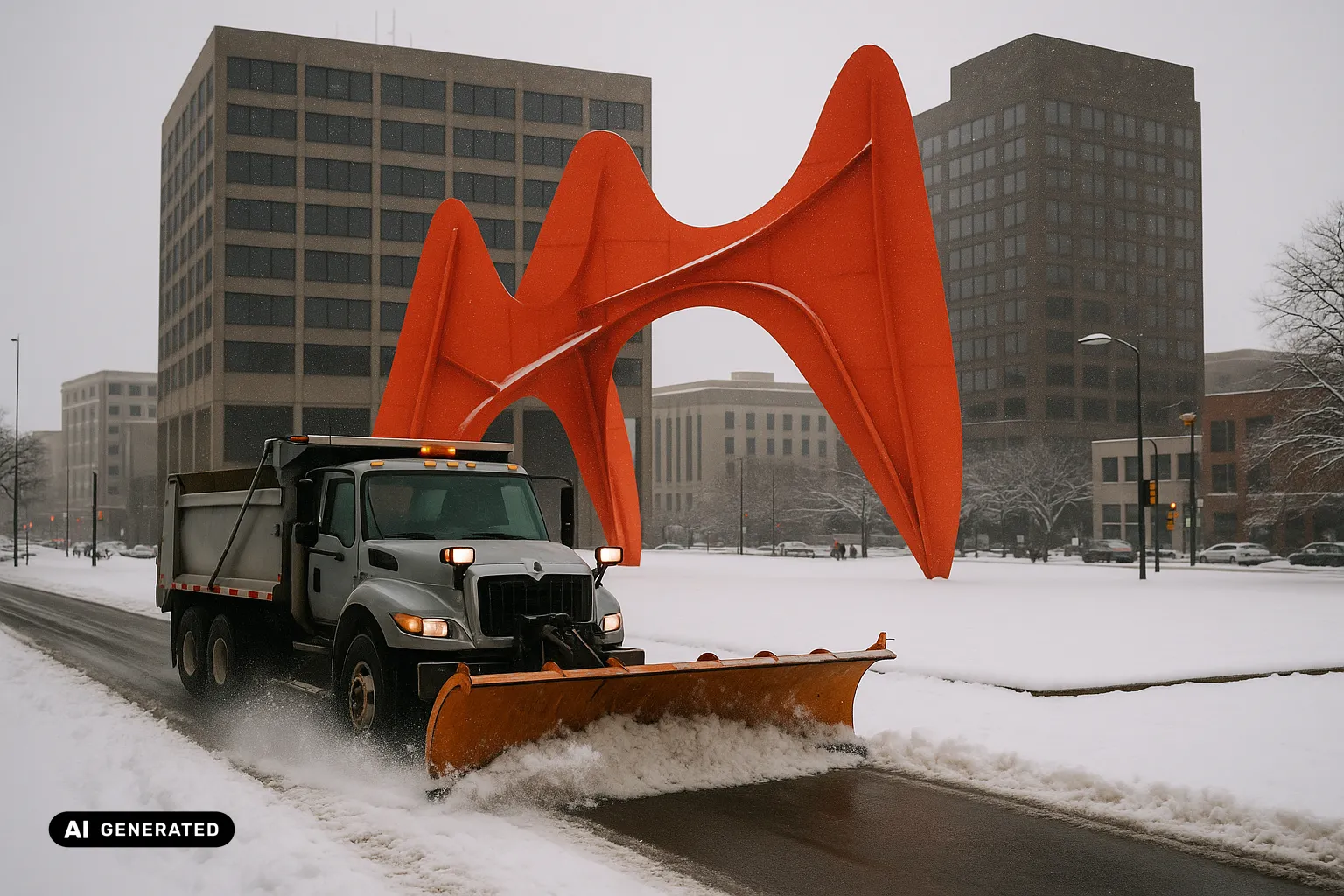
What winter is really like in Grand Rapids, Michigan: about 77.6 inches of snow a year at the edge of the West Michigan snow belt, where a narrow westerly wind corridor decides whether the bands reach the city at all. The 24-hour sidewalk rule under § 4.89, the 48-hour notice that follows, the city licence required to plow public ground, and who clears what.
Michigan
Winter service in Marquette
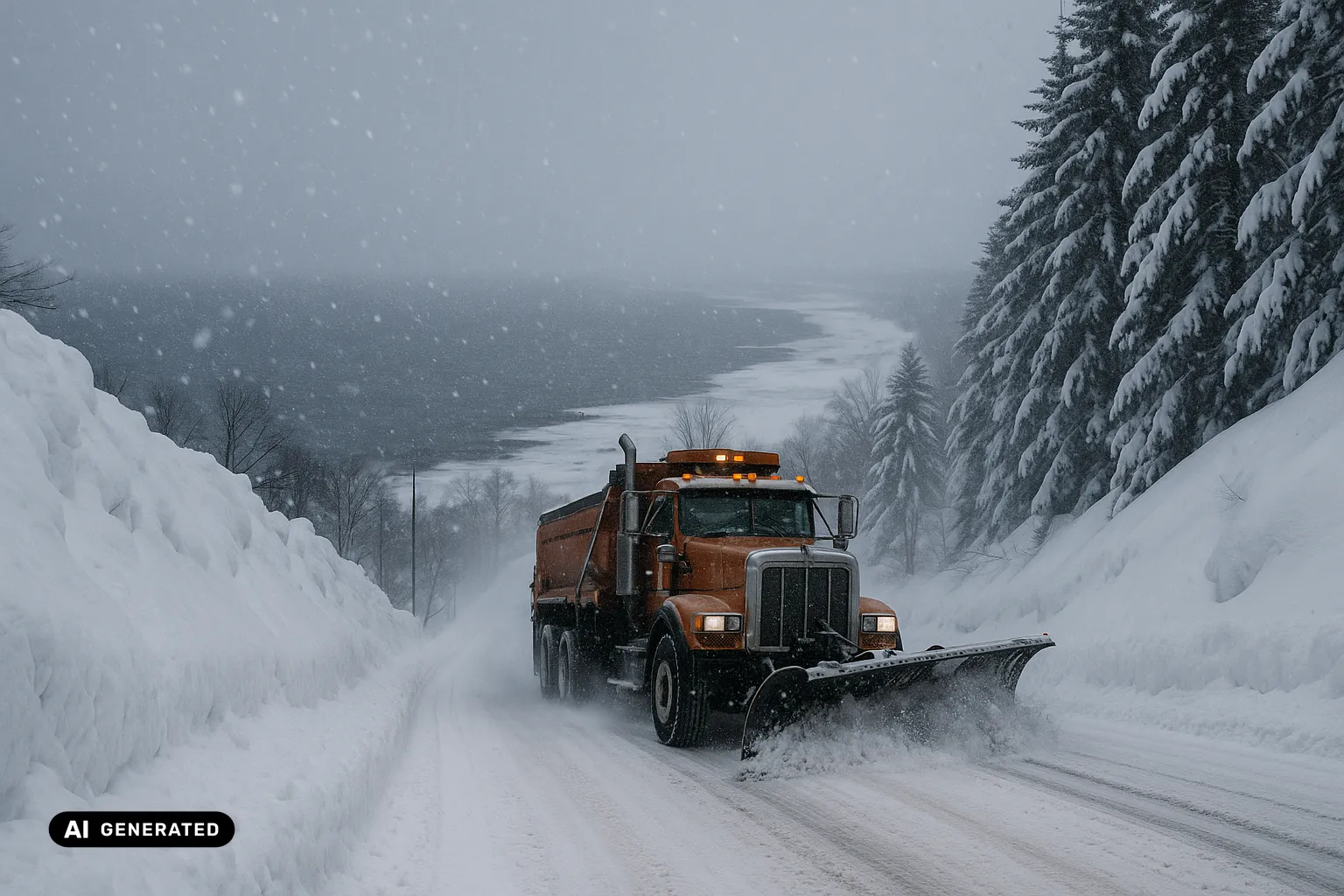
What winter is really like in Marquette, on the south shore of Lake Superior: about 149 inches of snow a season, the third-snowiest spot in the contiguous United States, on a lake that rarely freezes over so the lake-effect runs all winter. The city and DDA clear 6.5 miles of downtown sidewalks, the winter parking ban that opens the streets at night, and a lakeshore road the lake keeps reclaiming.
Minnesota
Minnesota
Winter service in Duluth
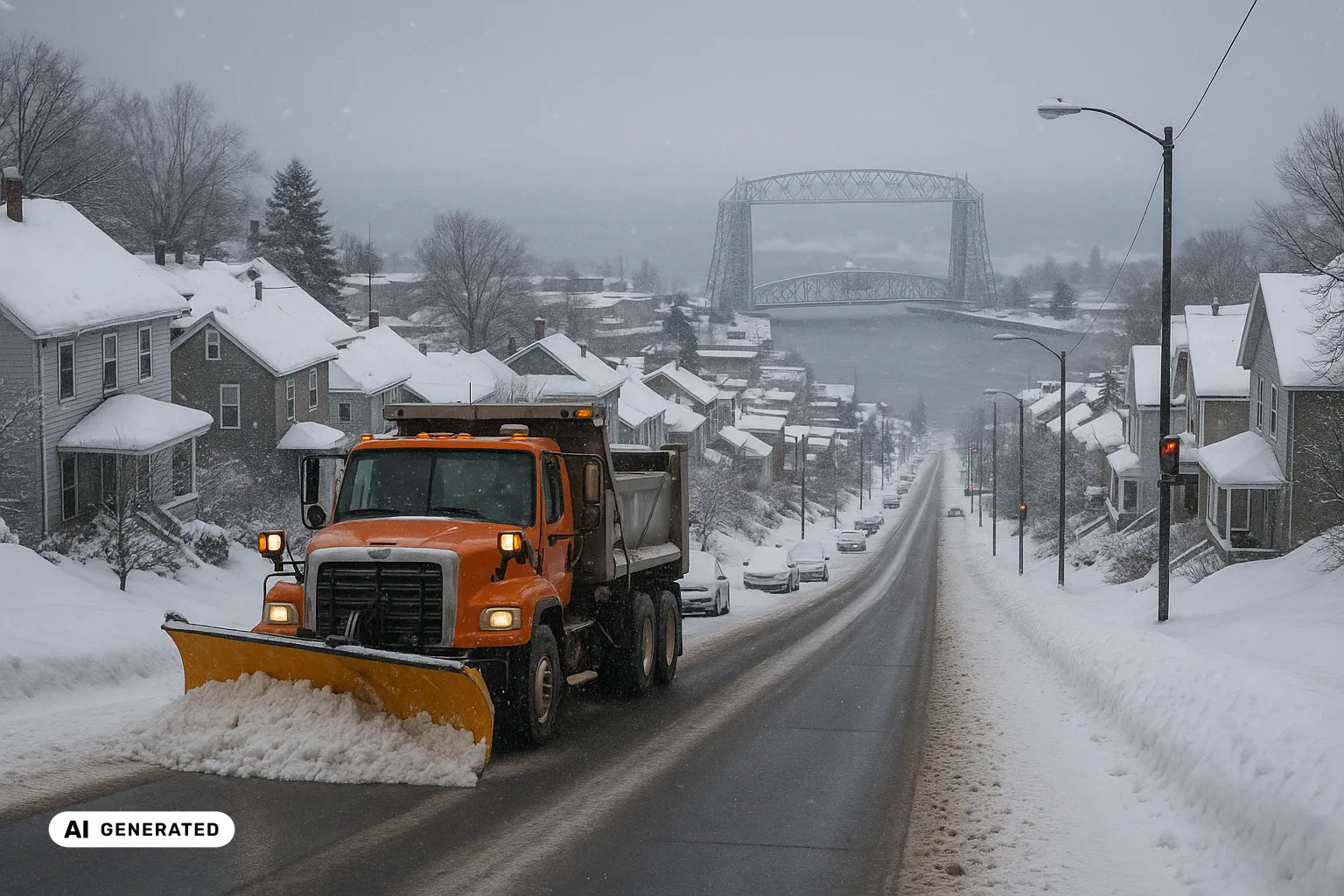
What winter is really like in Duluth: about 90 inches of snow a year on the shore of Lake Superior, on ground that climbs some 800 feet from the water to the hilltop. Why the lake enhances the snow and moderates the cold, how the City's priority-plough policy puts steep business-district grades first when staffing is tight, and the Chapter 45 sidewalk rule with its 24-hour deadline and up-to-$200 fee.
Minnesota
Winter service in Minneapolis
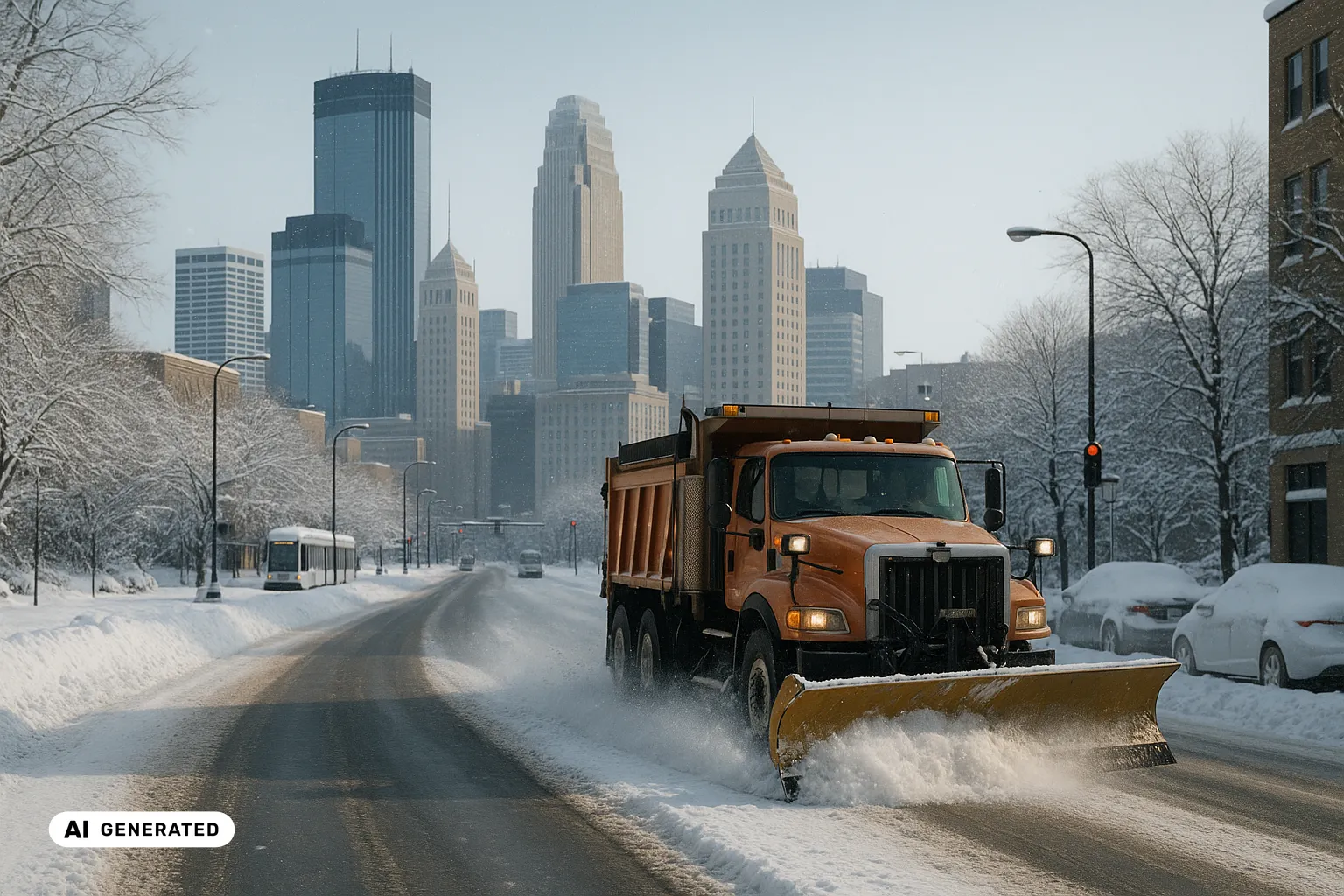
What winter is really like in Minneapolis: about 51 inches of snow a year and a January that averages a low near 9 °F in the City of Lakes. How the three-day Snow Emergency shifts parking side to side, why homes get 24 hours to clear the walk but apartments and shops get four daytime hours, and why one season can bring 14 inches or nearly 99.
New York
New York
Winter service in Albany
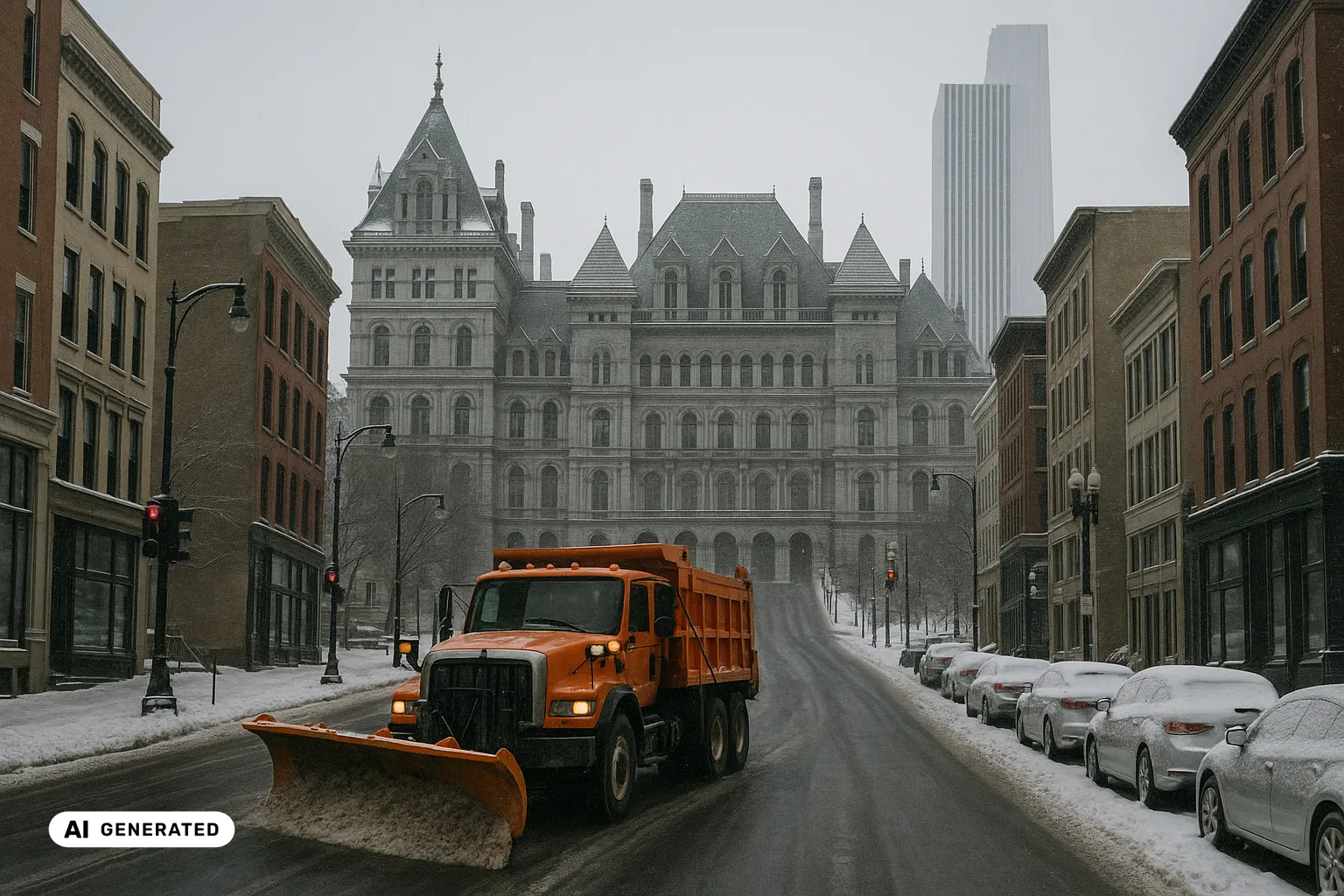
What winter is really like in Albany: about 59 inches of snow a year — the least of the five Golden Snowball cities — from nor'easters and Alberta clippers, not lake-effect. The steep State Street climb to the Empire State Plaza, the City's owner-clears-the-sidewalk rule under §323-21, the even/odd Snow Emergency parking rhythm, and where the city ends and the state begins.
New York
Winter service in Binghamton
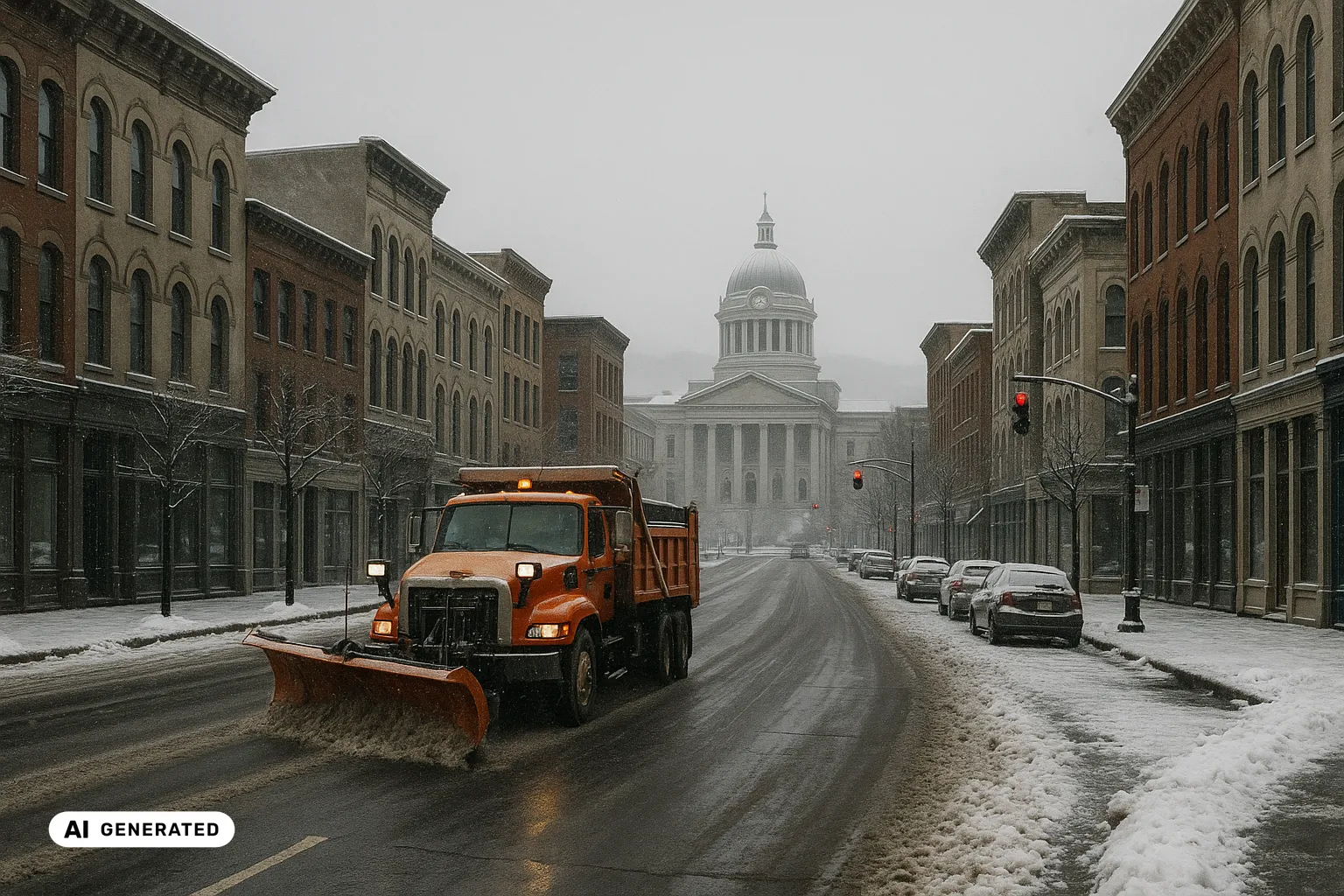
What winter is really like in Binghamton: about 86 inches of snow a year — less than its lake-effect neighbours — but one of the cloudiest cities in America, set in a bowl-shaped valley where the Susquehanna and Chenango meet. Grey, damp winters, an alternate-side parking rule from December, and a City Code that leaves the sidewalk to the property owner.
New York
Winter service in Buffalo
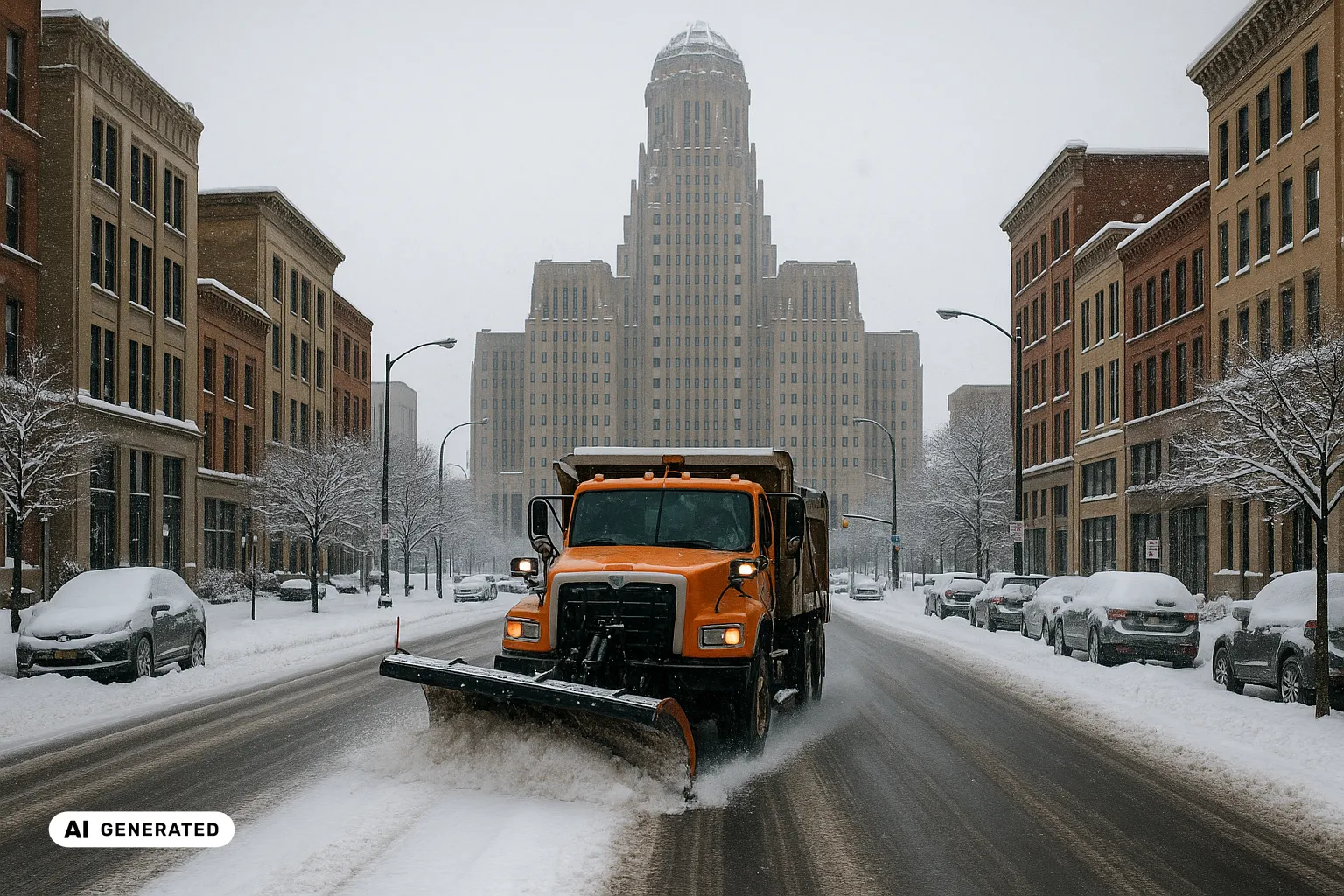
What winter is really like in Buffalo: about 95 inches of snow a year, but a city defined by lake-effect variance — feet of snow in the Southtowns while downtown stays bare. The four storms that shaped it, the City of Buffalo's 24-hour sidewalk rule and 9 a.m. deadline, how the DPW plows, and who clears what.
New York
Winter service in Rochester
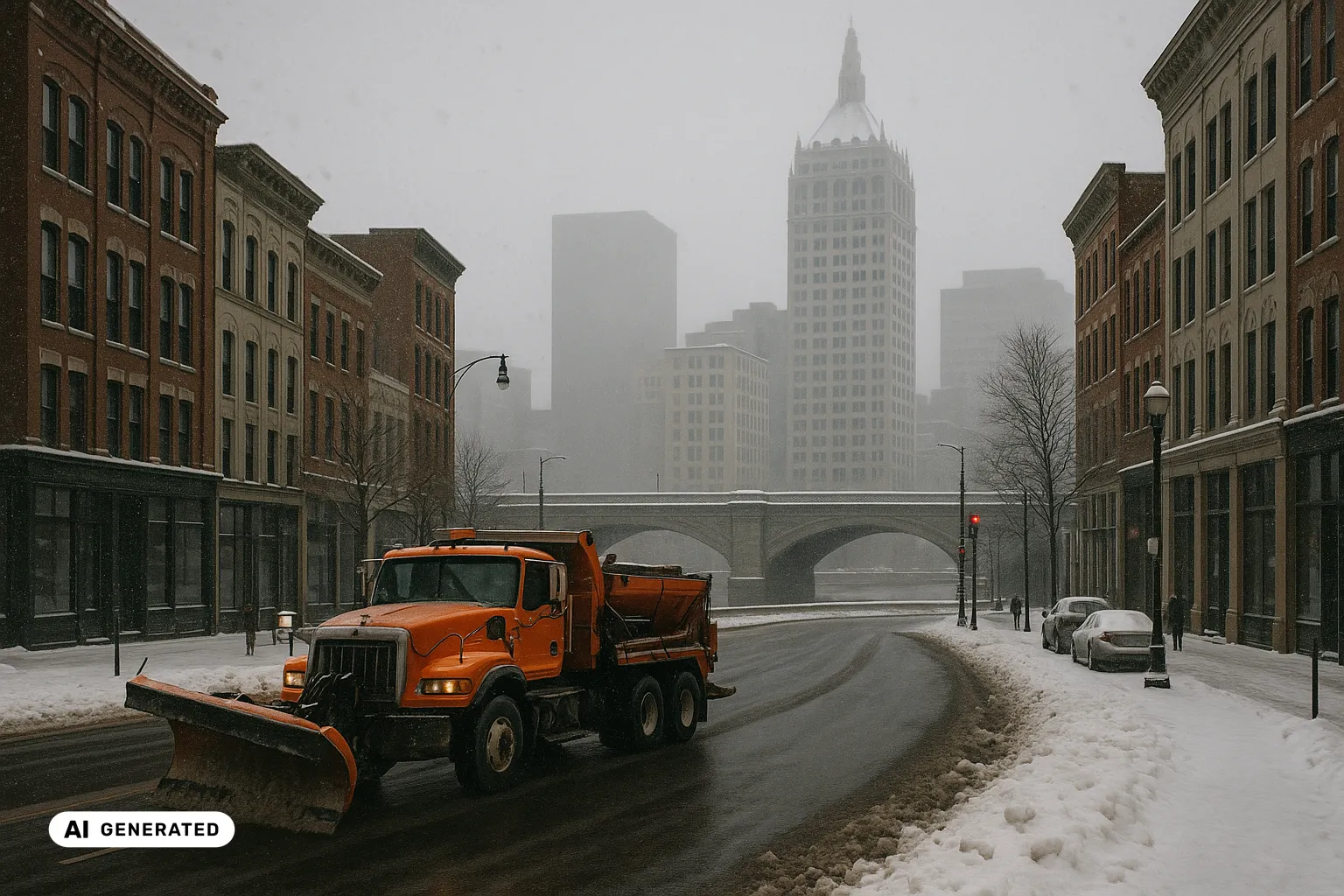
What winter is really like in Rochester: about 102 inches of snow a year off the south shore of Lake Ontario, a Genesee River that bisects the city, and the unusual arrangement under which the City itself ploughs residential sidewalks once four inches fall — while the property owner still owes the rest under the City Code.
New York
Winter service in Syracuse
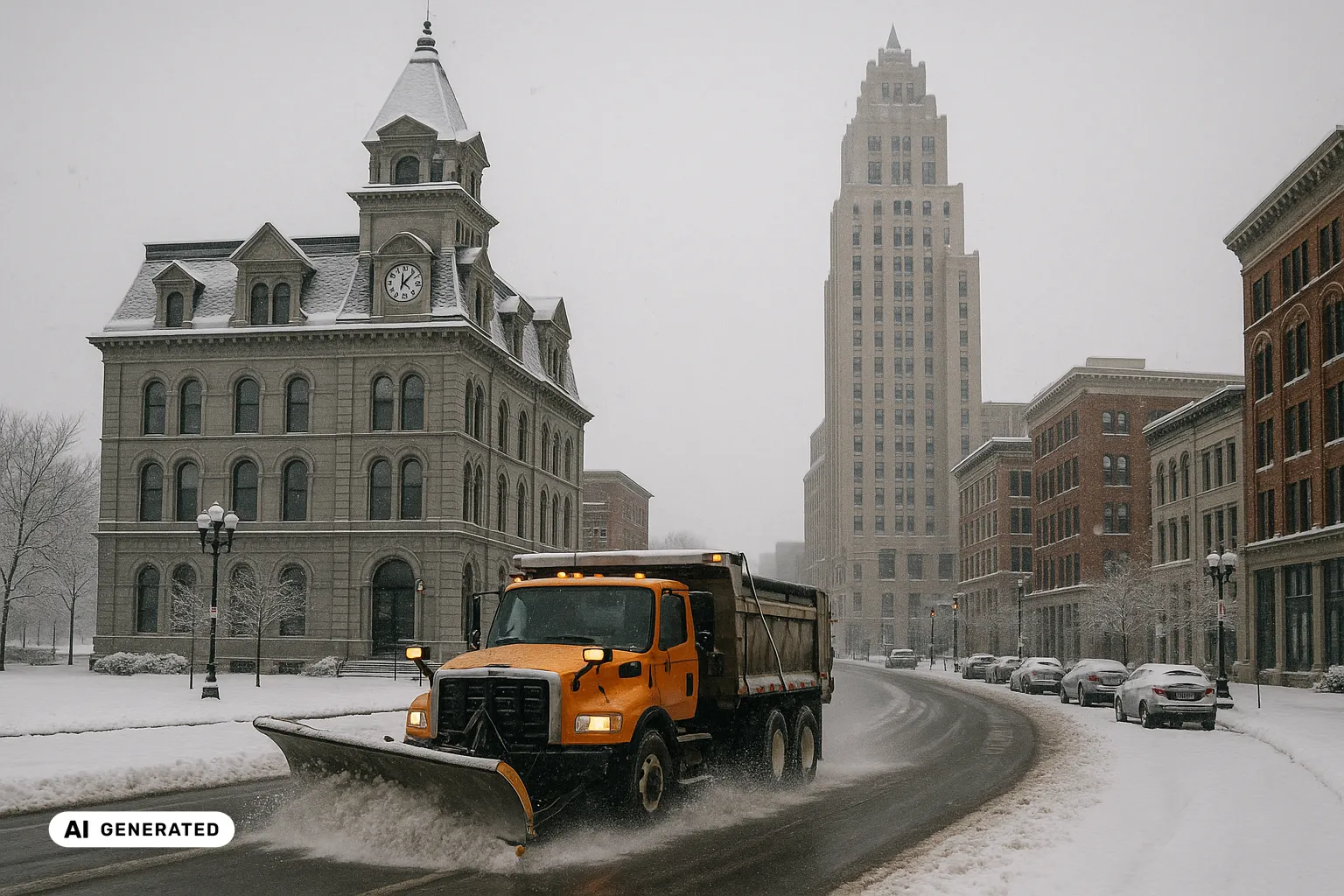
What winter is really like in Syracuse: about 128 inches of snow a year — the most of any US metro — built from many smaller lake-effect falls off Lake Ontario and the Tug Hill, the Golden Snowball rivalry with Buffalo, and the unusual municipal program under which the City, not the property owner, clears the sidewalks.
North Dakota
North Dakota
Winter service in Bismarck
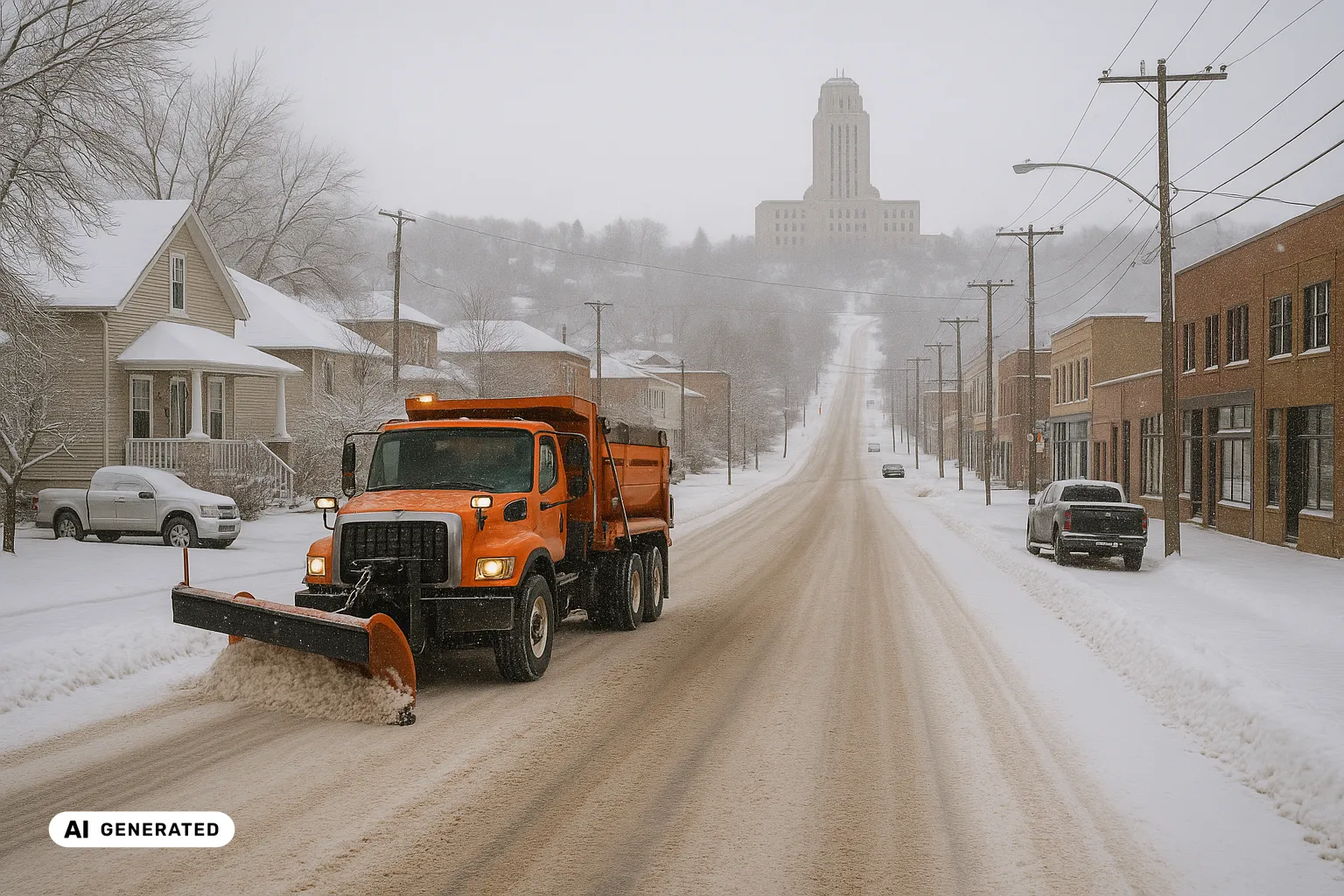
What winter is really like in Bismarck, North Dakota: 50.5 inches of snow a year, within an inch of Fargo's — but 839 feet higher, on the Missouri trench rather than a lake bed, which is why the city's own plan pre-treats 'steep grades'. A 24-hour sidewalk rule that lets you sand instead of clear, a cost recovery that ends in a permanent lien, a snow emergency triggered by judgement rather than a number, and a citizen-initiated ordinance requiring snow gates.
North Dakota
Winter service in Fargo
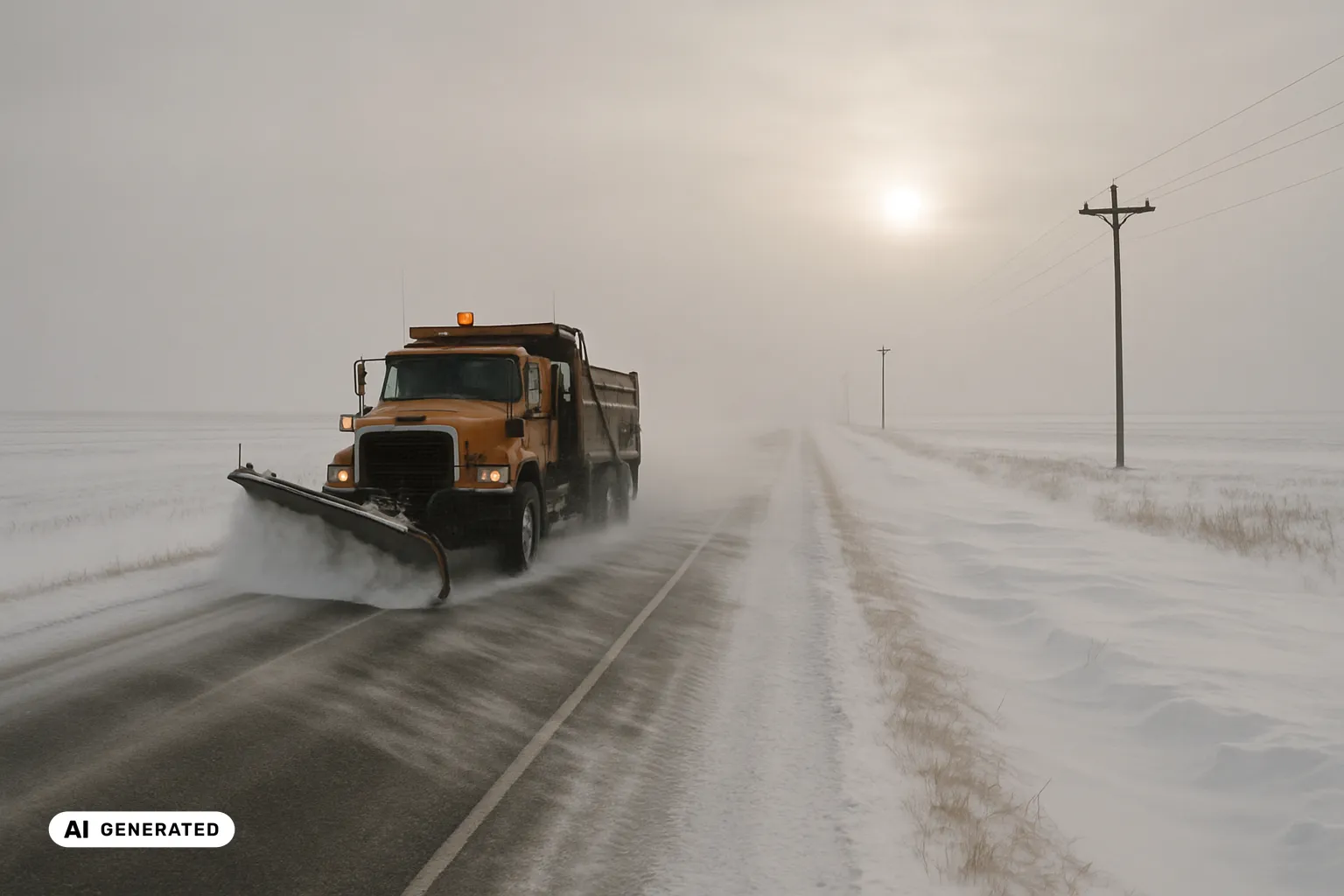
What winter is really like in Fargo: about 51 inches of snow a year at Hector International, on land the geologists call one of the flattest expanses on Earth — so the work is fighting drift, not depth. Ground blizzards with no falling snow, salt that stops working below zero, a snow emergency triggered by a 4-inch forecast, and a sidewalk rule where the code says 9 p.m. and the City says 24 hours.
Ohio
Ohio
Winter service in Cleveland
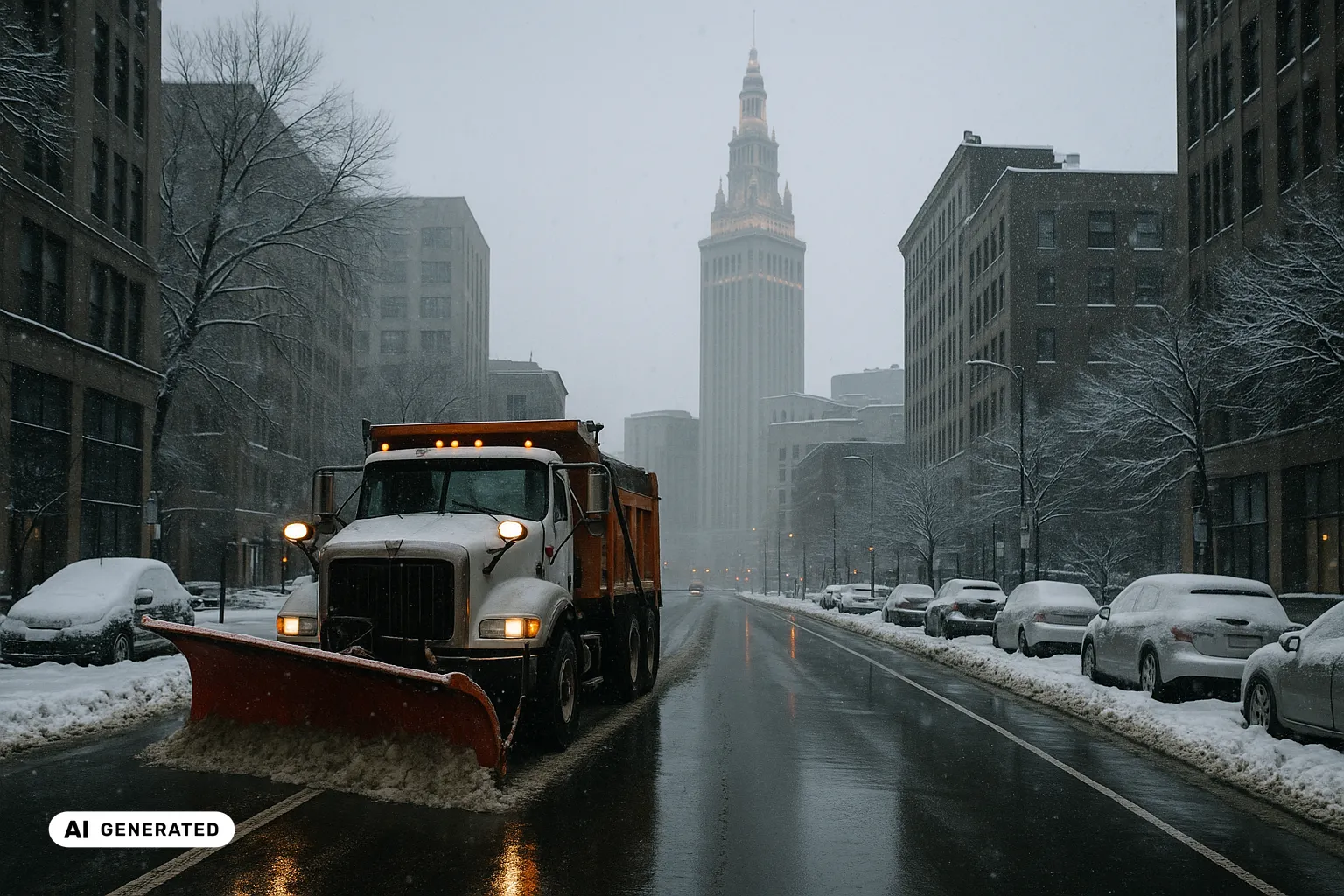
What winter is really like in Cleveland: about 64 inches of snow a year at Hopkins, but a city split east–west by lake-effect. The eastern Heights and the ridge towns get feet more than the flat West Side and downtown. How the band lands east, the City of Cleveland's 9 a.m. sidewalk rule under Ordinance 507.13, how the Division of Streets plows, and who clears what.
Ohio
Winter service in Columbus
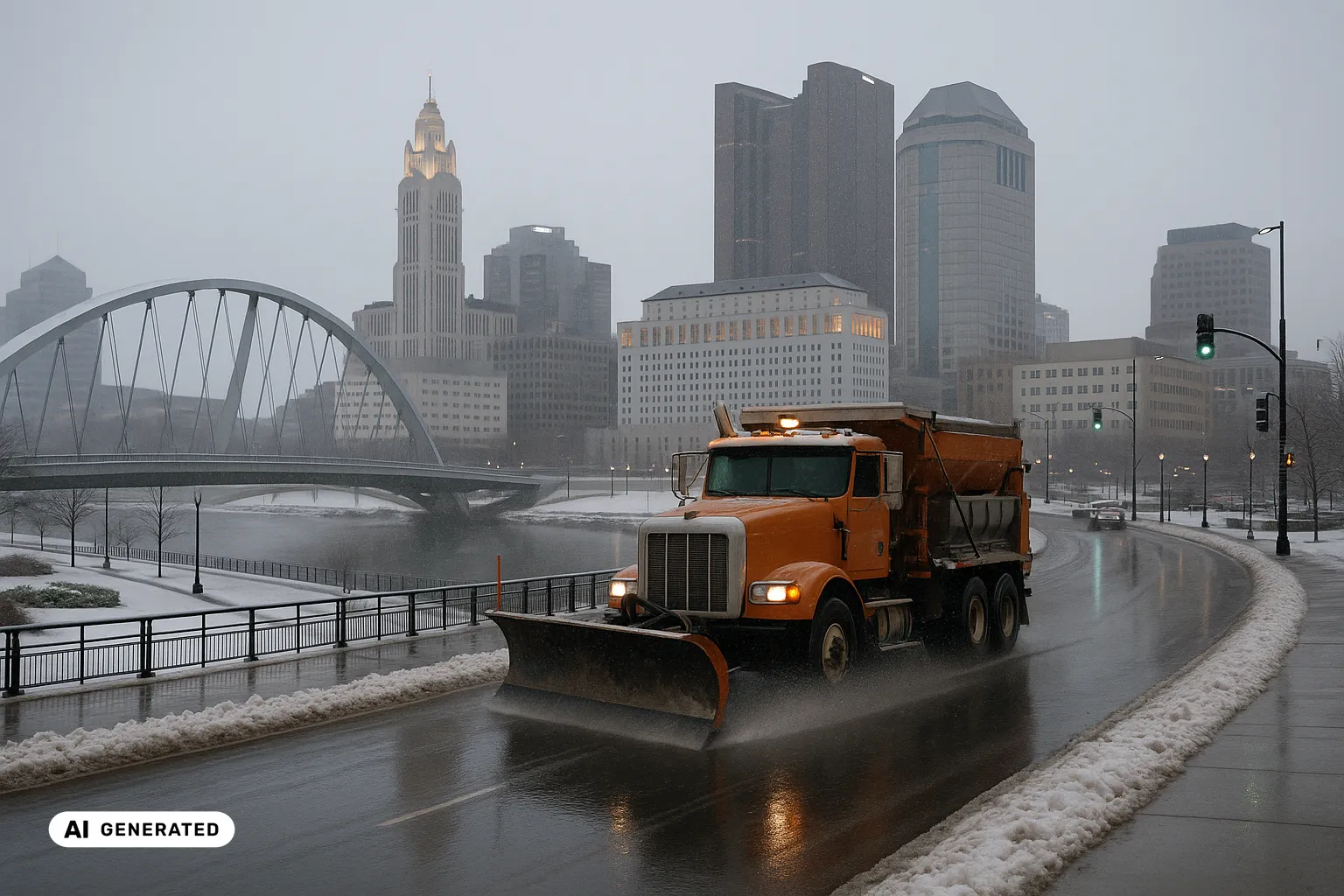
What winter is really like in Columbus, Ohio: about 28.2 inches of snow a season against Cleveland's 63.8, but a January mean low of 21.97 °F that is practically identical, and 103 frost nights against 28.3 days with snow. Section 902.03 and its missing deadline, the 736 complaints that produced no citations, and why Priority 3 streets get a plow only above four inches and never any salt.
Pennsylvania
Pennsylvania
Winter service in Erie
What winter is really like in Erie, Pennsylvania: about 104 inches of snow a year, deep in the Lake Erie snow belt on the shallowest of the Great Lakes. The Christmas 2017 lake-effect storm that dropped 48.9 inches at the airport and set a state record, the City of Erie's three-hour sidewalk rule under § 717.01, odd–even snow-emergency parking, and who clears what.
Pennsylvania
Winter service in Pittsburgh
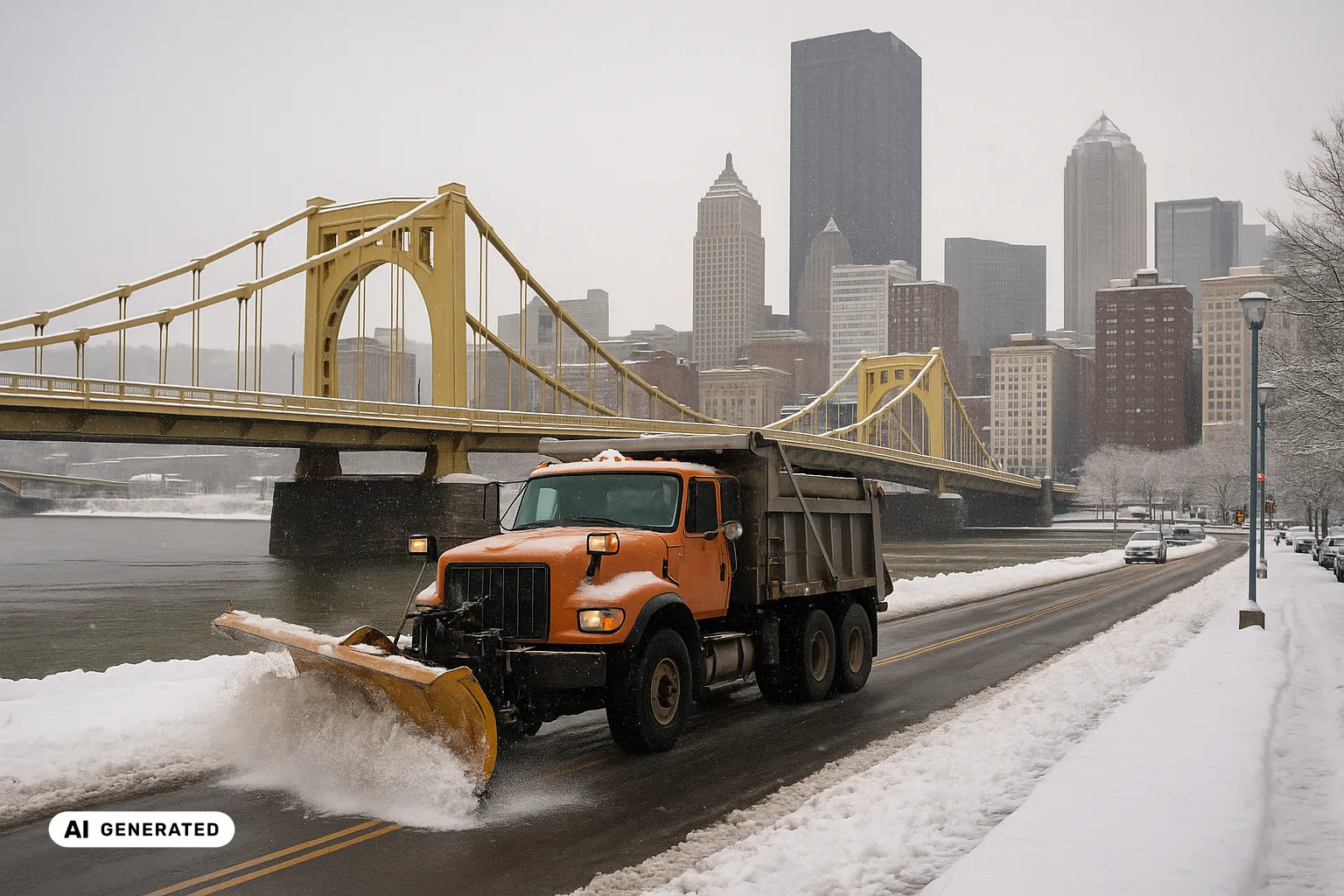
What winter is really like in Pittsburgh, Pennsylvania: about 44.1 inches of snow a year — a third of Erie's — but 113.6 frost nights against only 31.7 days that stay below freezing. A freeze–thaw city where grade matters more than depth, six named streets are closed pre-emptively before a storm, and § 419.03 gives tenants, occupants and owners 24 hours.
Utah
Utah
Winter service in Park City
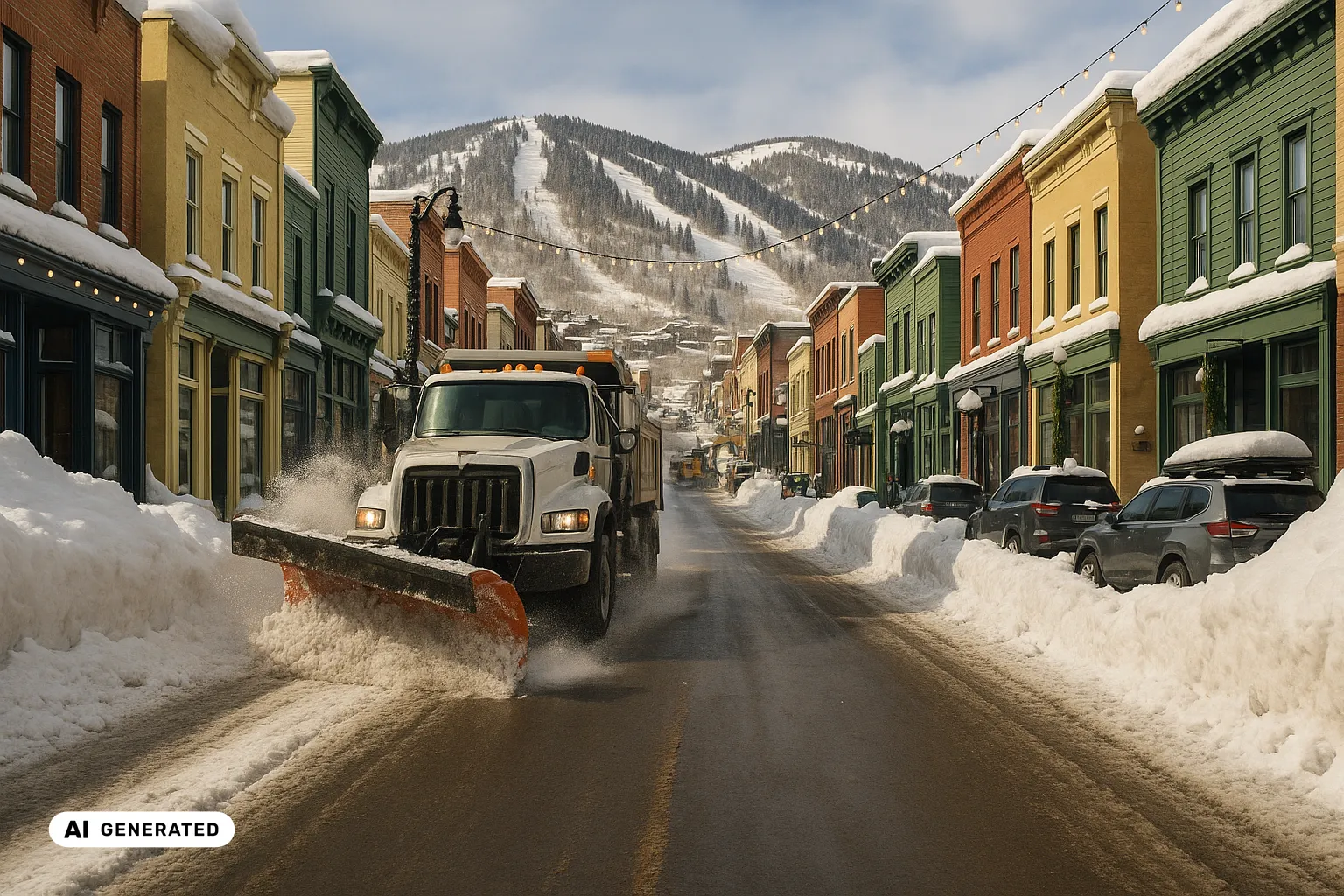
What winter is really like in Park City, Utah: about 121.2 inches a season at the NOAA station on the valley floor of the town itself, against 51.9 at Salt Lake City airport 32 miles away. The Tier I/II/III sidewalk system and its eight hours, the 20-feet-in-eight-hours standard the code sets for private streets and HOAs, the 15 per cent of every hard surface that must be kept free for snow storage, and the pile at Quinn's Junction that reached 55,416 cubic yards.
Utah
Winter service in Salt Lake City
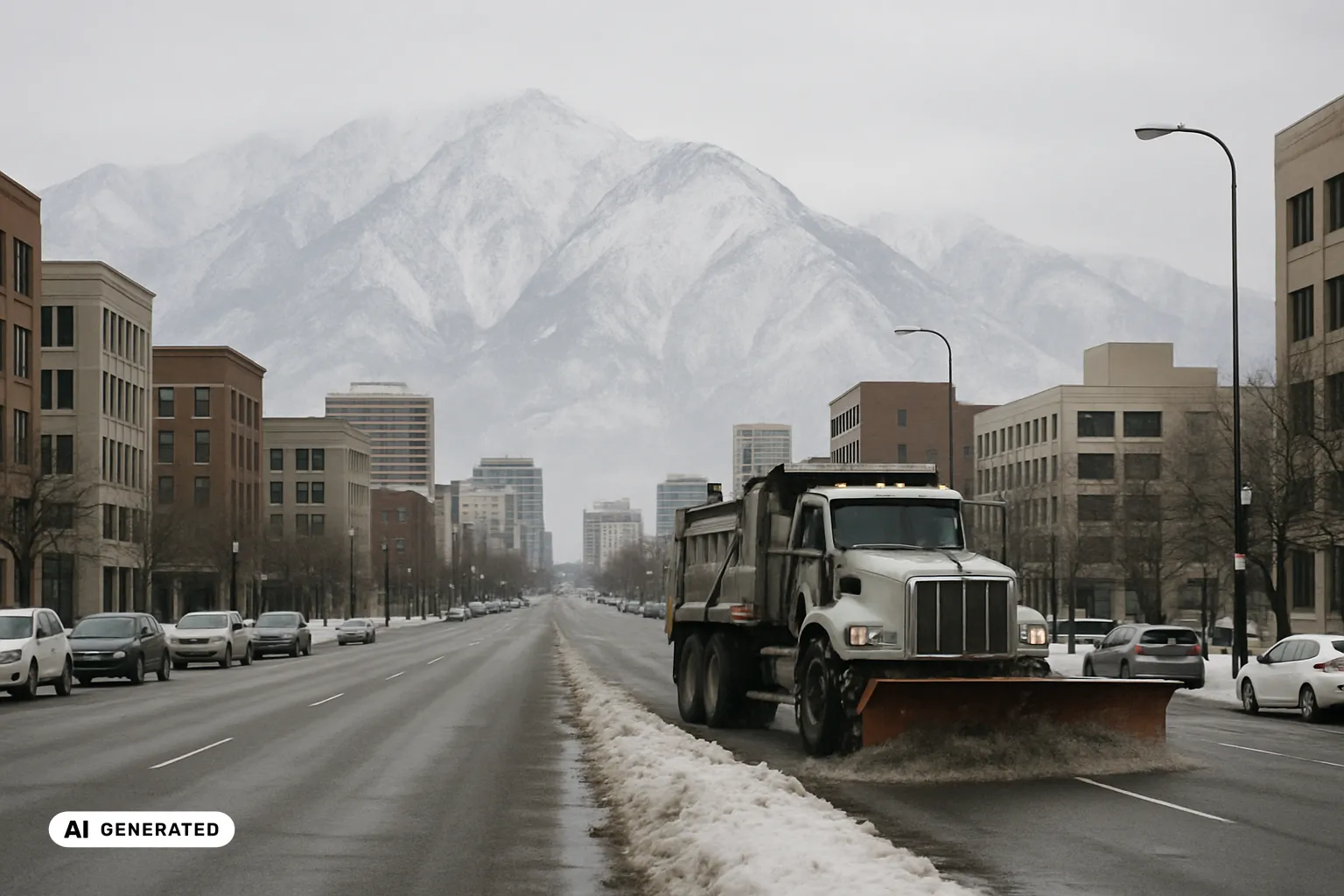
What winter is really like in Salt Lake City: a high valley floor at 4,300 feet under 11,000-foot Wasatch peaks, about 52 inches of snow downtown but ten times that in the canyons, the Great Salt Lake effect, the cold-air inversions, the City's 24-hour / 42-inch sidewalk rule under Code 14.20.070, how the Streets Division plows in priority order, and why UDOT closes the canyon highways to fire on avalanches.
Wisconsin
Wisconsin
Winter service in Madison
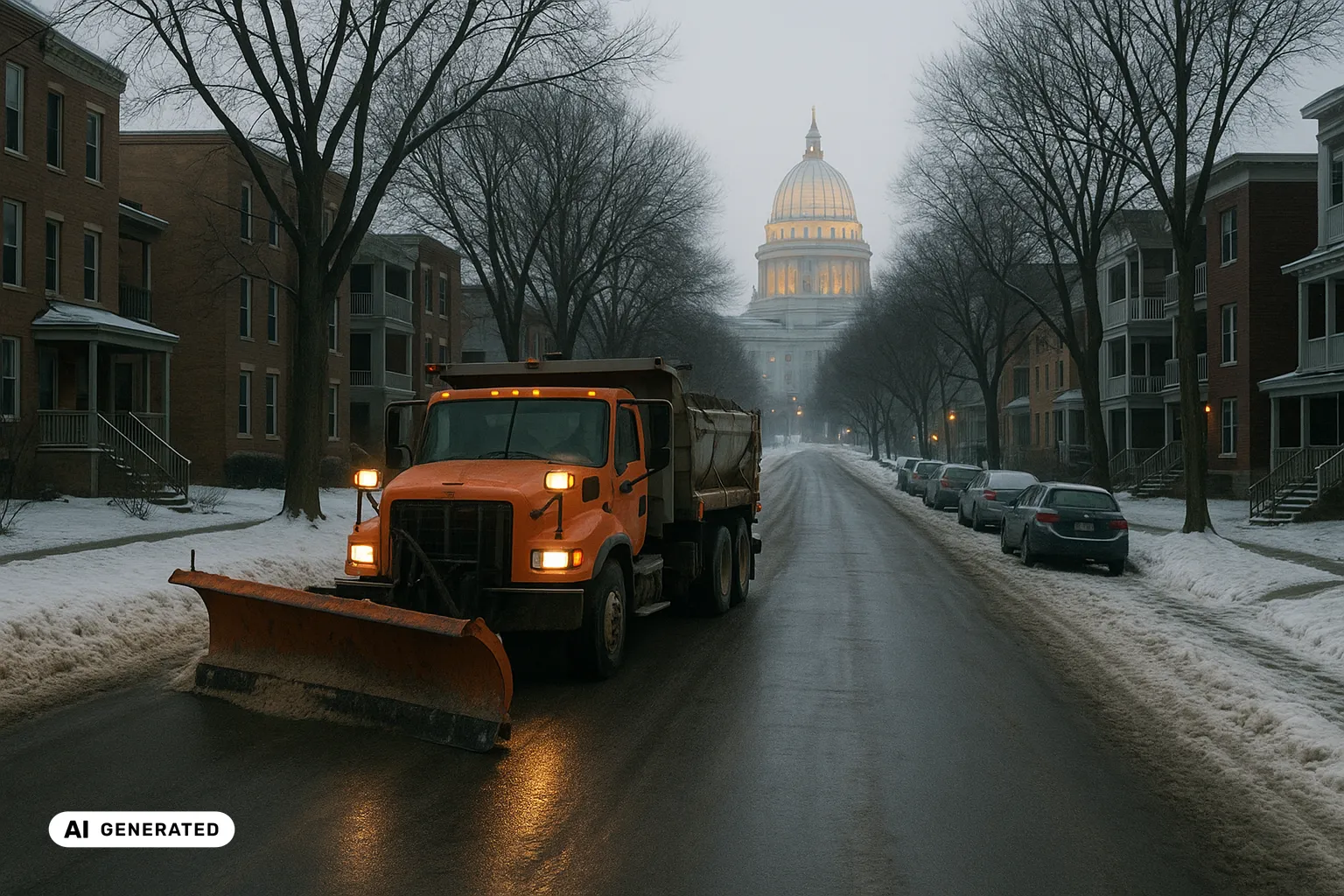
What winter is really like in Madison, Wisconsin: 51.8 inches of snow a season, three quarters of it between December and February, on a downtown wedged onto an isthmus where the city says outright that its places to store removed snow are limited. A sidewalk deadline set to a clock time rather than a countdown, citations issued without a warning first, and an ordinance amended twice to get salt off the sidewalk and out of the lakes.
Wisconsin
Winter service in Milwaukee
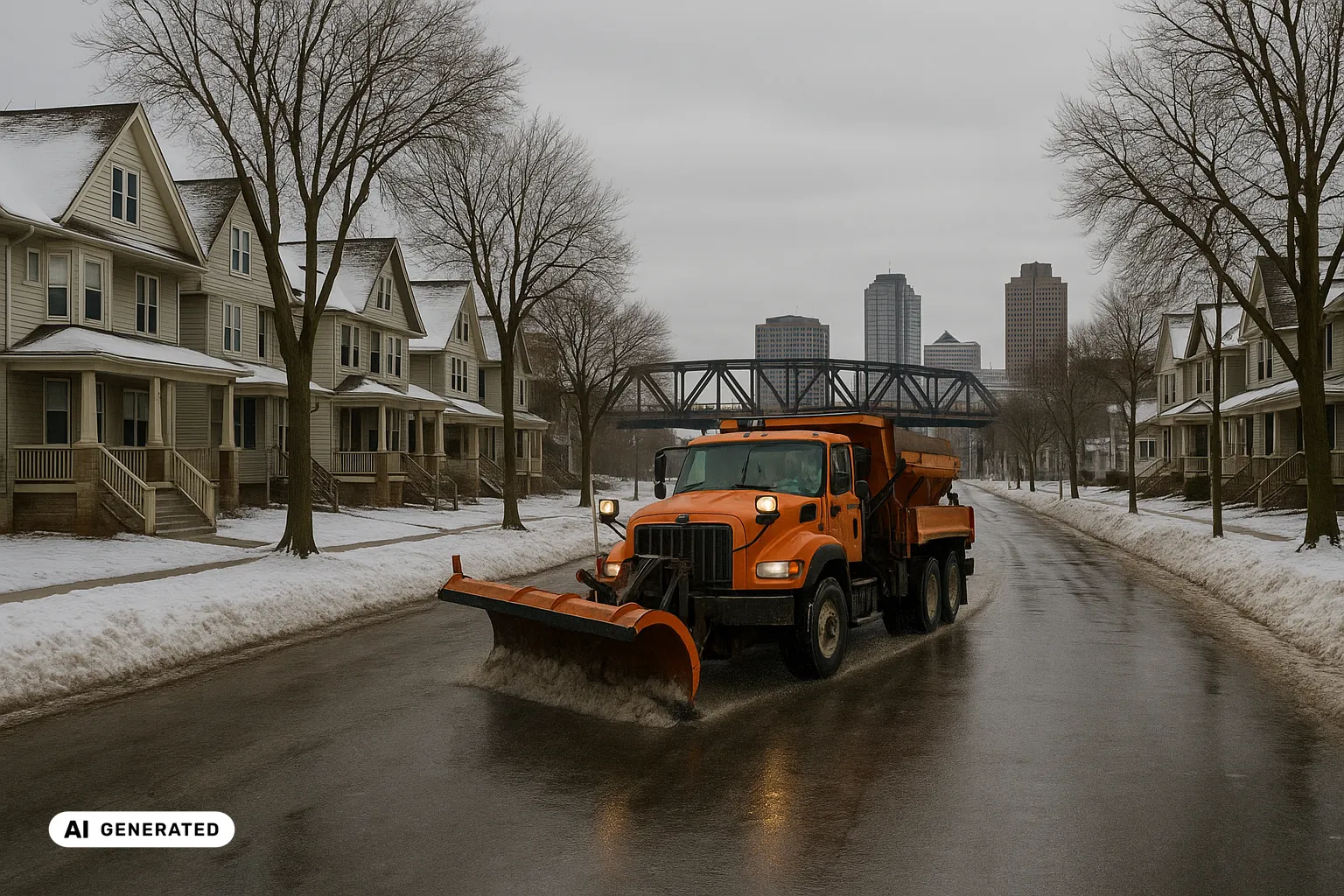
What winter is really like in Milwaukee, Wisconsin: 48.7 inches of snow a season on the upwind shore of Lake Michigan, where the lake usually takes snow away from the lakefront and hands it to the western suburbs — until the wind turns east and the gradient reverses inside one city. A 24-hour sidewalk rule with no fine attached but a lien that lands on the tax roll, three separate authorities clearing roads within the same block, and an ordinance requiring a licence and liability cover before anyone plows a public walk for payment.