Winter service in Canada
Few countries take winter as seriously as Canada. Snow and ice are a fact of life across most of the country for months at a time, and clearing them is largely a municipal matter: each city sets its own rules for who clears what, by when, and what happens if a sidewalk is left untreated. There is no single national standard — the duty that applies in Calgary is not the one that applies in Toronto or Halifax.
Climate varies just as much. A prairie city like Calgary sees long cold spells broken by sudden chinook thaws that glaze sidewalks with melt-and-refreeze ice; a coastal city sees fewer snow days but more freeze–thaw; the further north, the longer and harder the season. Topography matters too: bridges and overpasses freeze before the streets around them, and hillside neighbourhoods behave differently from the flats.
The city guides below explain what winter actually looks like in a given place, what the local clearing rules are, and who is responsible — as plain orientation, not legal advice. For anyone running winter service, keeping a clear record of when and where a route was treated can matter regardless of which local rule applies. For the country-wide picture first — how the winters and the clearing rules vary from the Pacific coast to the Atlantic — see Winter service across Canada.
Canada works in two official languages, and a crew or customer base is often more comfortable in one than the other. The Wintertrace interface itself can run in French through an optional French language pack — set per user or installation-wide — so the software fits the way a bilingual operation already works.
Alberta
Alberta
Winter service in Calgary
What winter is really like in Calgary: chinook melt-and-refreeze, the Street Bylaw's 24-hour sidewalk rule, fines, snow route parking bans, and who is responsible.
Alberta
Winter service in Edmonton
What winter is really like in Edmonton: around 124 cm of snow, January near −10 °C and snow on the ground a third of the year, with no chinooks to thaw it. How the City deliberately keeps a 5 cm snowpack on residential streets, the sidewalk bylaw that sets no deadline, the seasonal parking ban, and who is responsible for what.
British Columbia
British Columbia
Winter service in Prince George
What winter is really like in Prince George, BC: about 204 cm of snow a year, January lows near −12 °C, the owner's four-day duty to clear footpaths under Bylaw No. 8425, the 15 Oct–15 Apr parking restrictions and how the City plows.
British Columbia
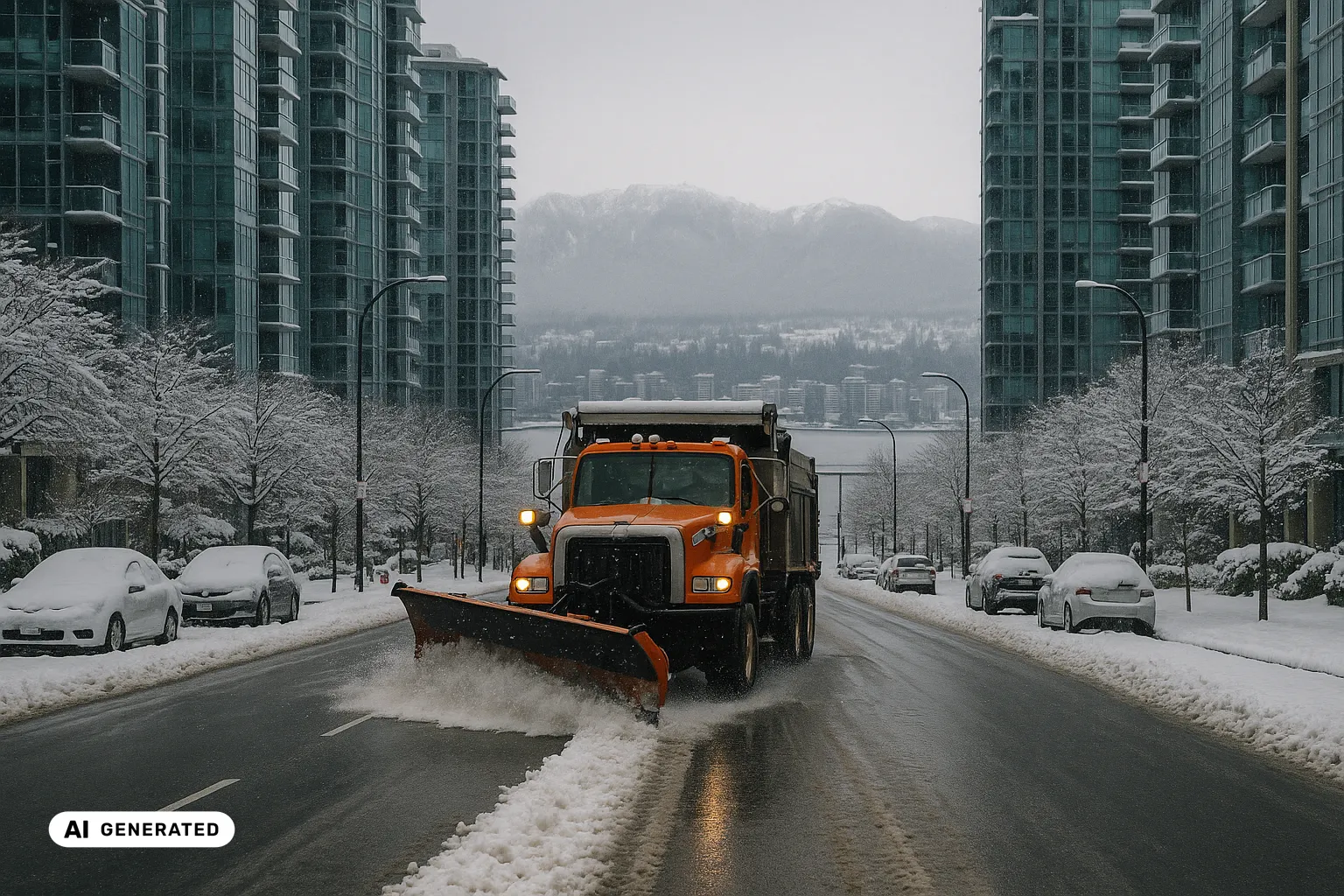
Winter service in Vancouver
What winter is really like in Vancouver, BC: a mild Pacific city with only about 37 cm of snow a year but heavy rain and rare, paralysing snow events, the Street and Traffic By-law's 10 a.m. sidewalk-clearing duty, and the priority routes the City clears while residential streets wait.
Manitoba
Manitoba
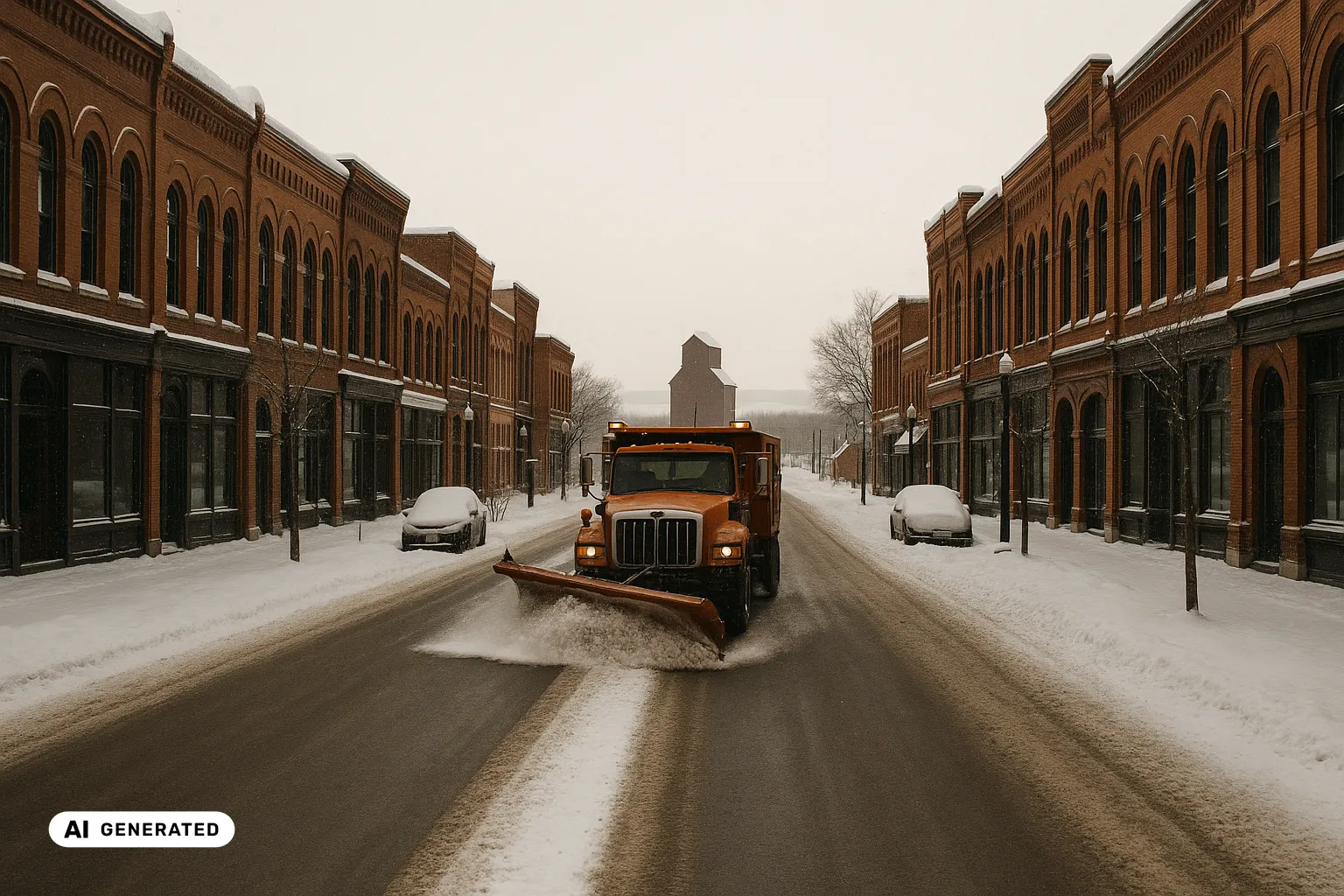
Winter service in Brandon
What winter is really like in Brandon, Manitoba: about 128 cm of snow, January lows near −22 °C, the owner's duty to clear sidewalks, the 15 Nov–31 Mar snow-route parking ban, fines and how the City plows.
Manitoba
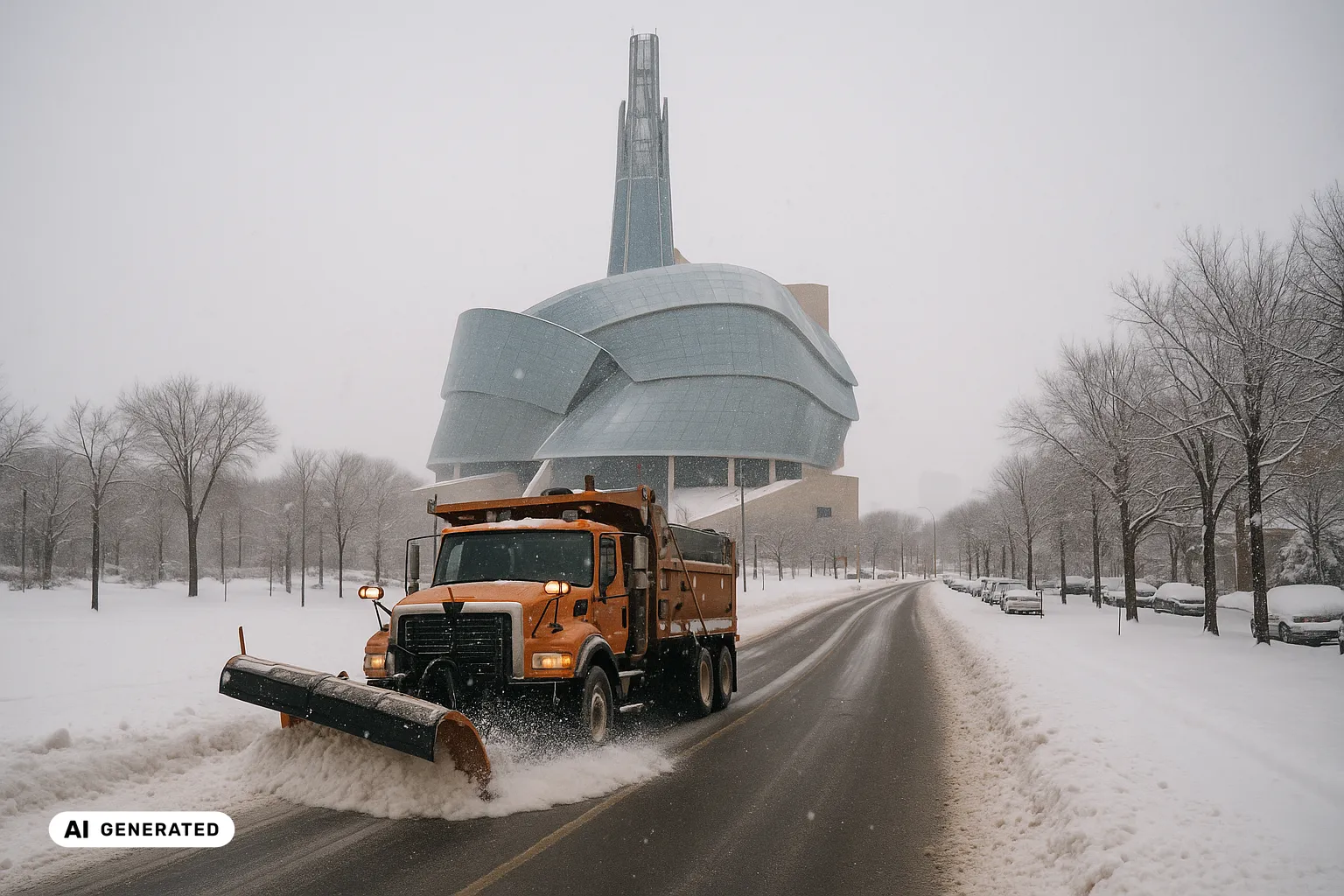
Winter service in Winnipeg
What winter is really like in Winnipeg: 126 cm of snow, snow on the ground for four months, the City's snow-zone parking bans, windrows, fines and who clears what.
New Brunswick
New Brunswick
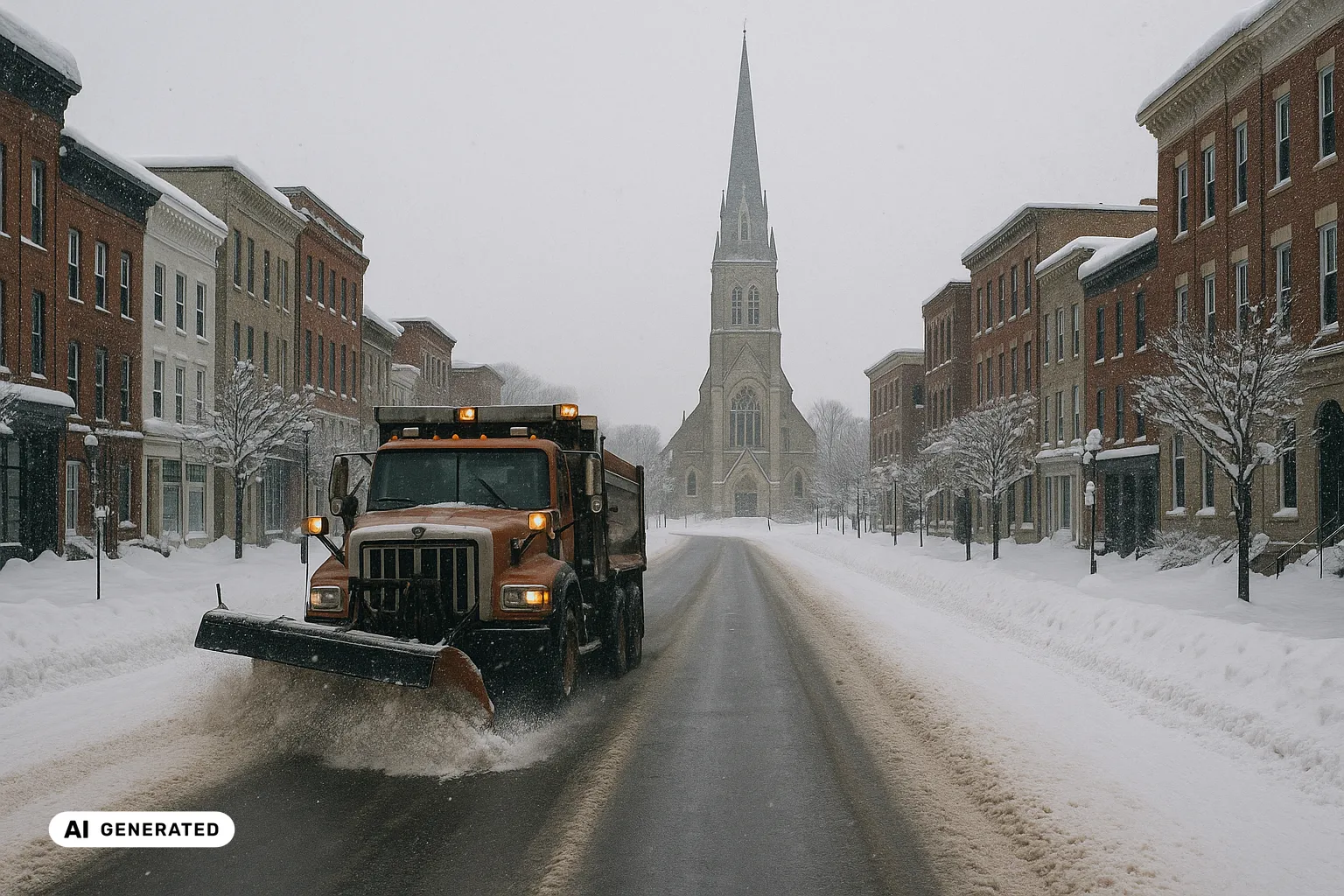
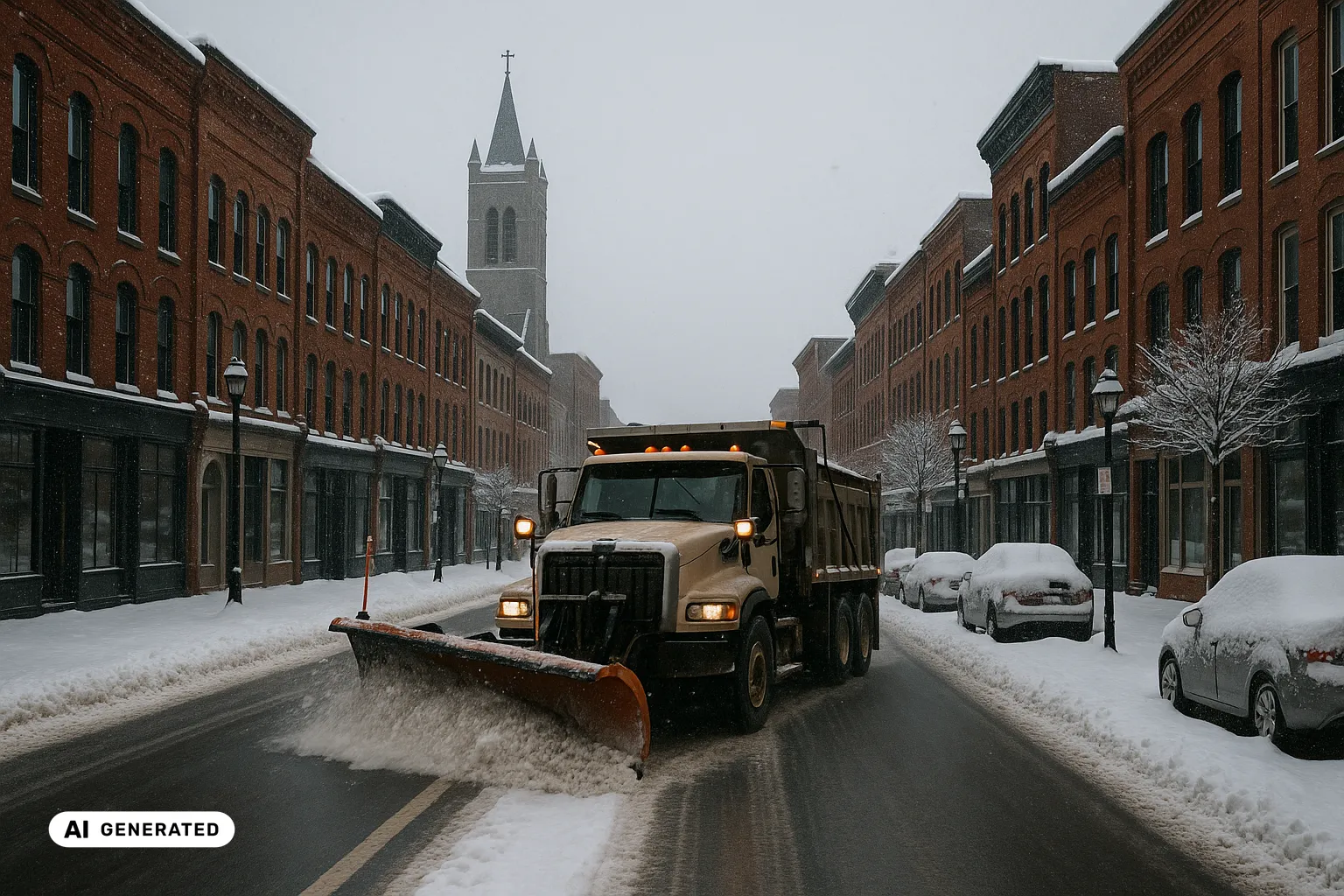
Winter service in Fredericton
What winter is really like in Fredericton, NB: a colder, inland river-valley capital with about 241 cm of snow, the City clearing streets within 24 hours and sidewalks within 48, an overnight parking ban that runs 1 Oct–31 May whether it snows or not, and the snowpack that feeds the spring freshet.
New Brunswick
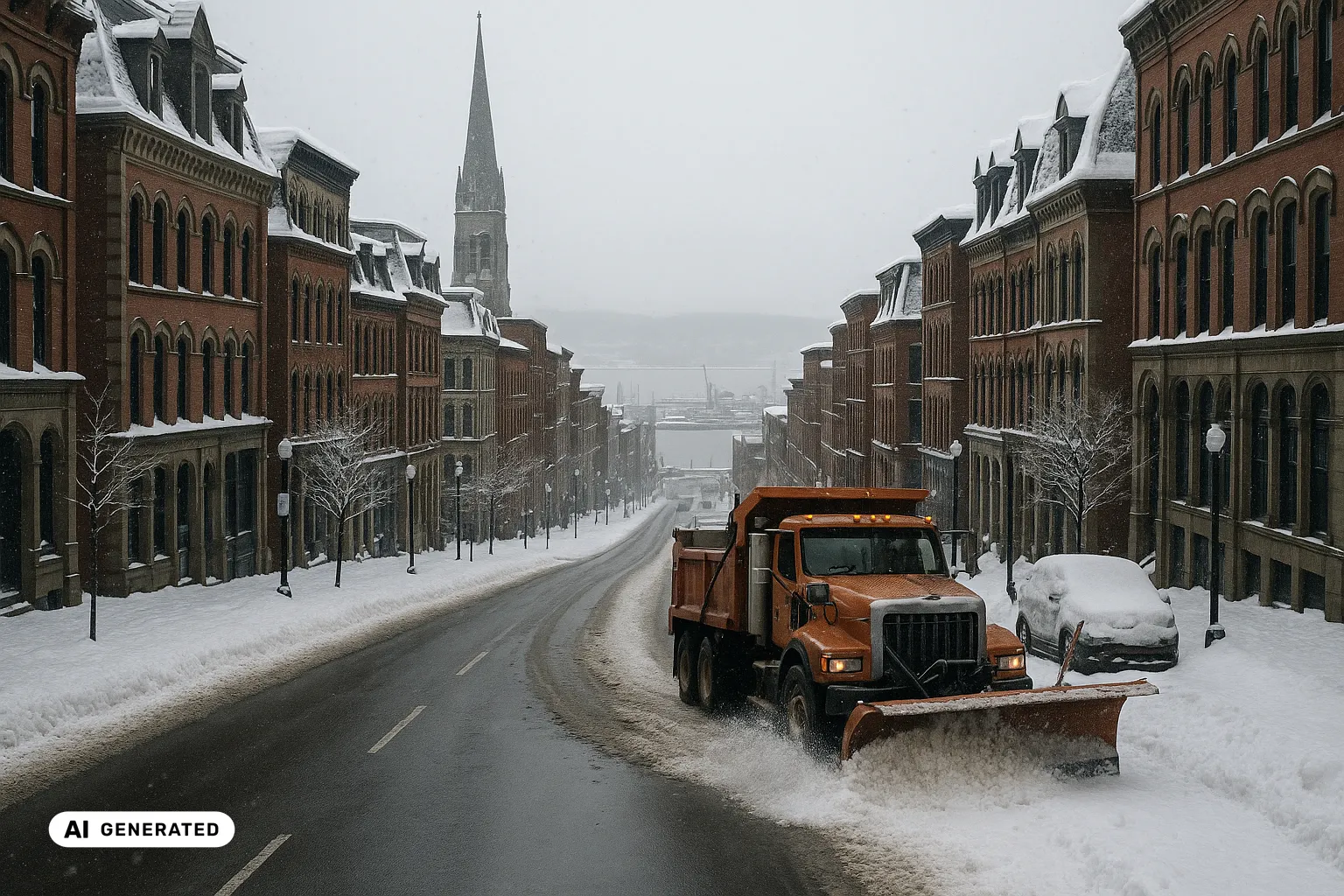
Winter service in Moncton
What winter is really like in Moncton, NB: about 310 cm of snow a year, January lows near −13 °C, the City's own sidewalk clearing in three priority zones, the 1 Dec–15 Apr parking restrictions, and a thaw-freeze tidal valley.
New Brunswick
Winter service in Saint John
What winter is really like in Saint John, NB: about 215 cm of snow but a season ruled by Bay of Fundy fog and freezing rain on a hilly city, the City's Winter Management Plan that maintains about 55% of sidewalks, and overnight parking bans that change by zone.
Newfoundland and Labrador
Newfoundland and Labrador
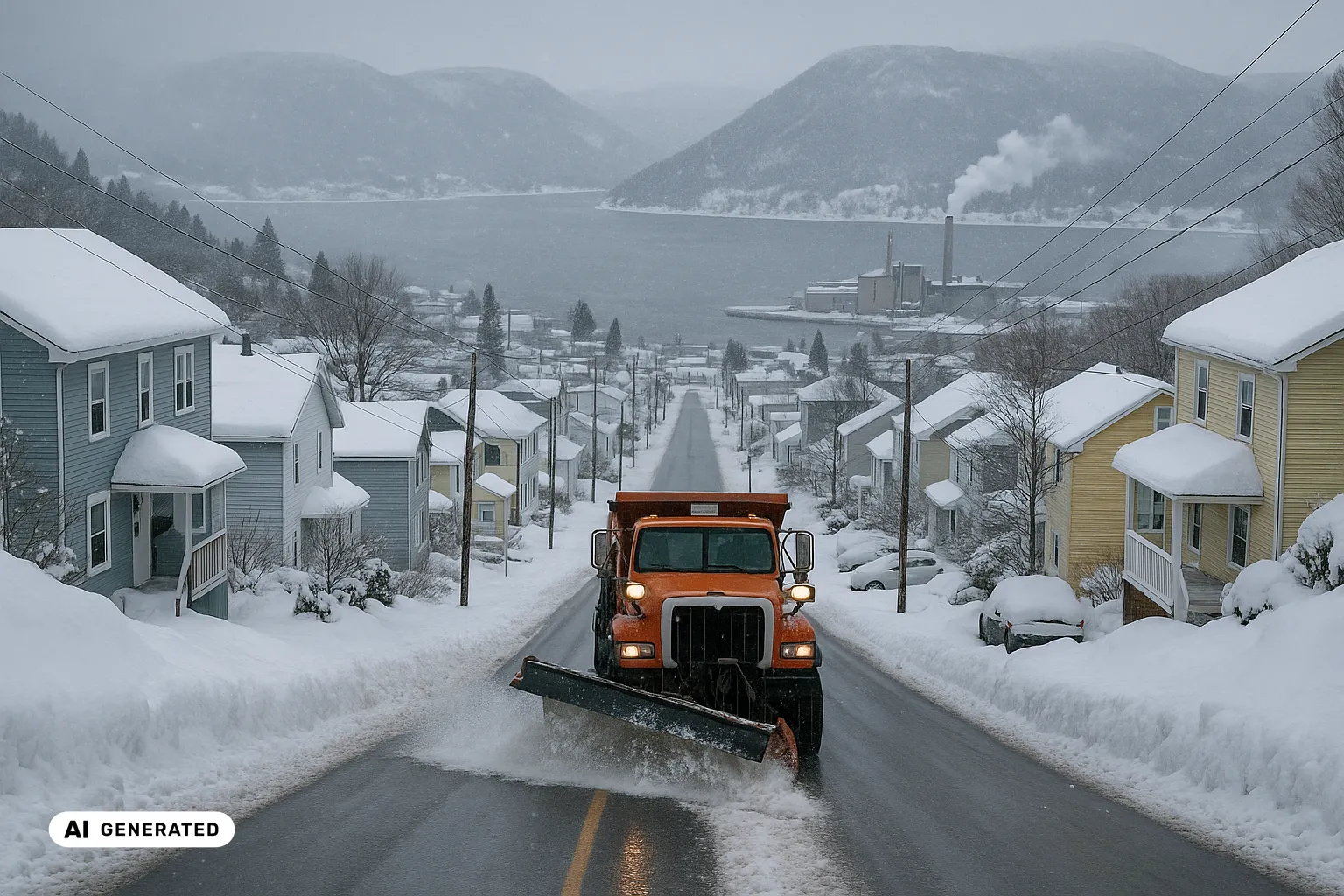
Winter service in Corner Brook
What winter is really like in Corner Brook, NL: about 408 cm of sea-effect snow a year on a steep hillside above the Bay of Islands, the City ploughing seven routes and clearing sidewalks itself, and a midnight-to-8 a.m. parking ban from 1 December to 1 May — a different winter from St. John's.
Newfoundland and Labrador
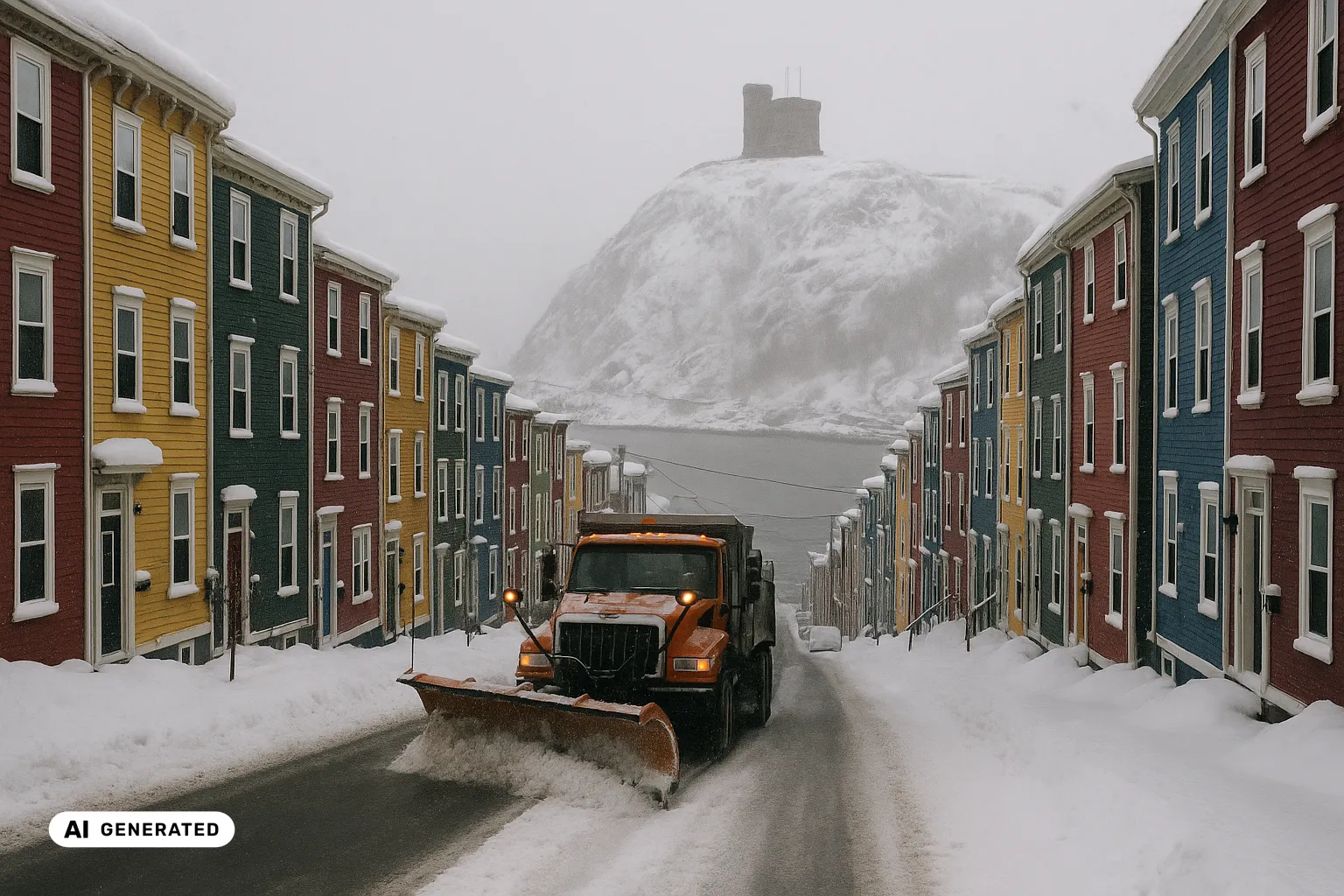
Winter service in St. John's
What winter is really like in St. John's: the foggiest, windiest major city in Canada, who clears the 193 km of city sidewalks, the overnight parking ban, fines, and what Snowmageddon taught the place.
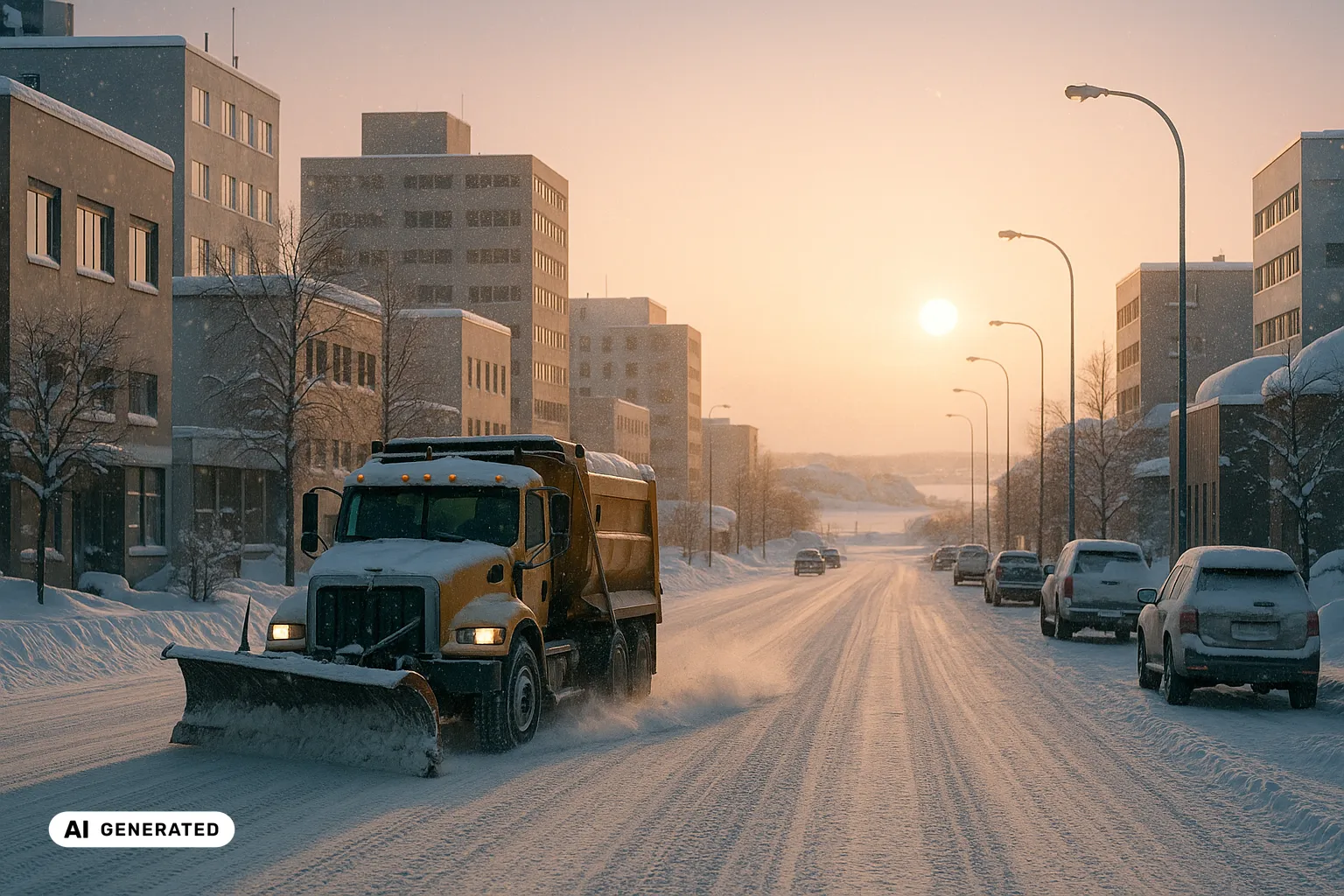
Nova Scotia
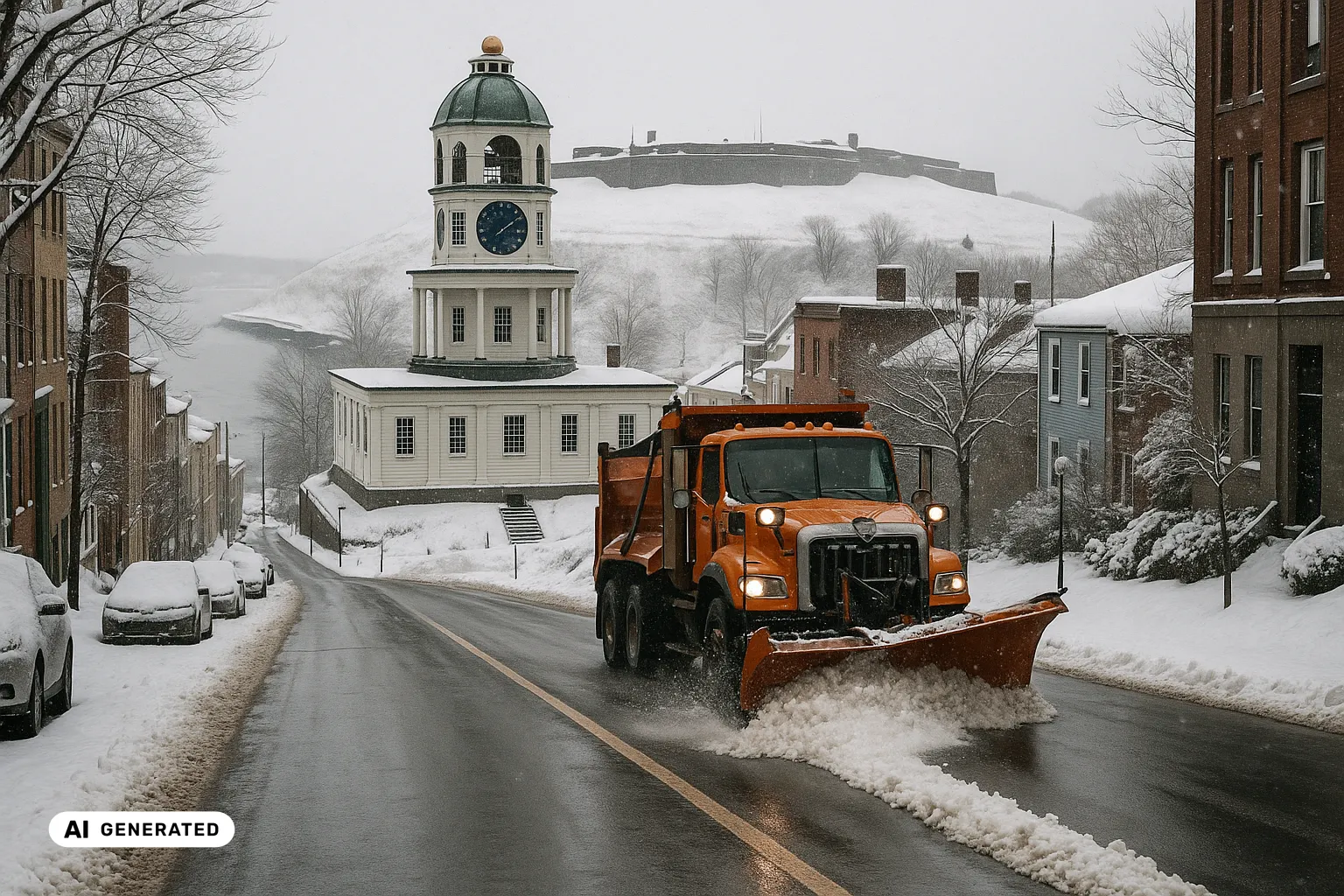
Nova Scotia
Winter service in Halifax
What winter is really like in Halifax: 154 cm of snow on a harbour peninsula, why the municipality clears most public sidewalks itself, the service standards by priority, the overnight parking ban during declared storms, the S-300 snow rule, and what White Juan taught Nova Scotia.
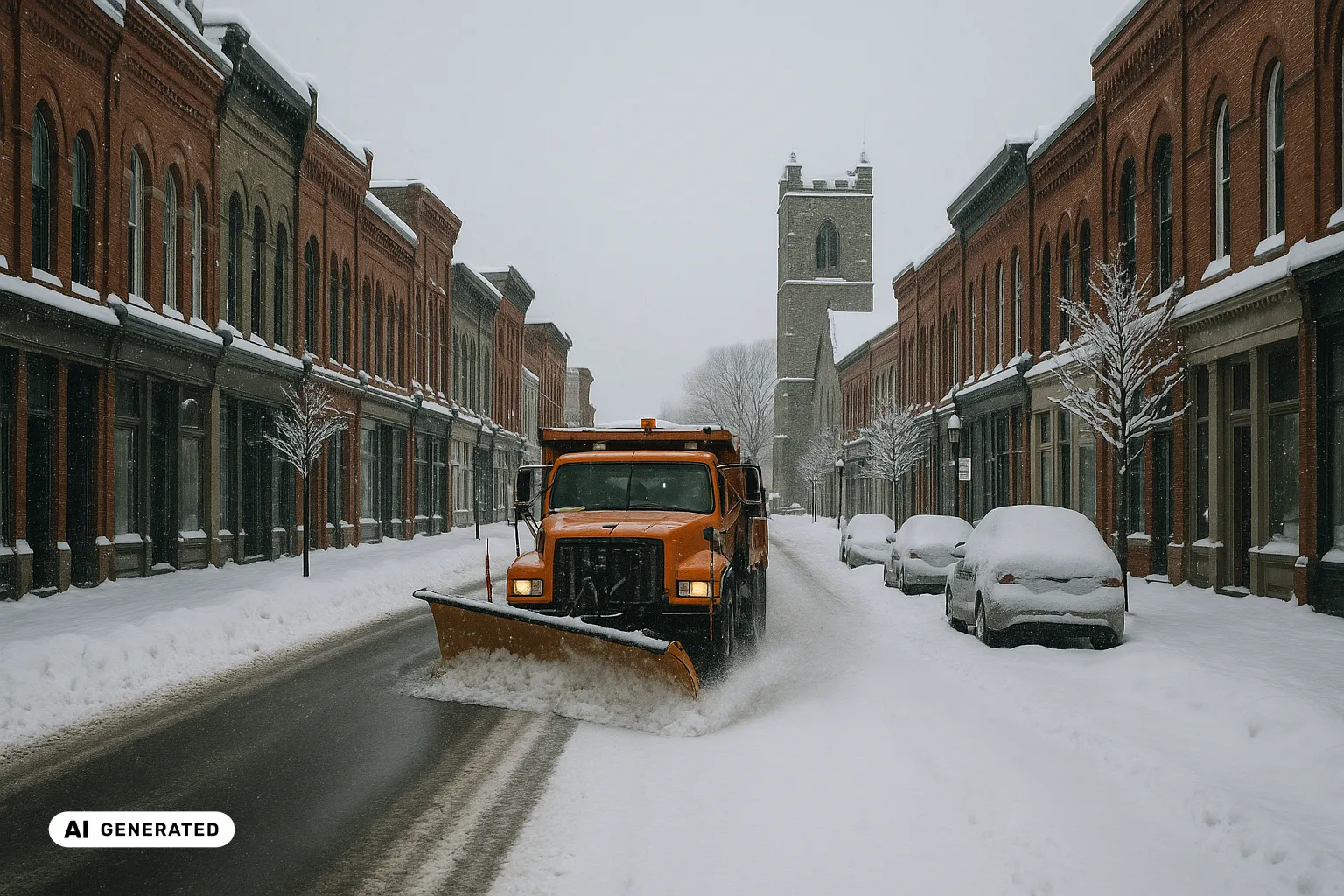
Nova Scotia
Winter service in Truro
What winter is really like in Truro, Nova Scotia: a snowy season that runs from early November to the end of April, a town built on the Salmon River floodplain where the Bay of Fundy tide turns, and a sidewalk by-law whose clearing duty falls only on non-residential properties in the Urban Regional Core — plus the overnight winter parking ban and what happens if a property goes uncleared.
Ontario
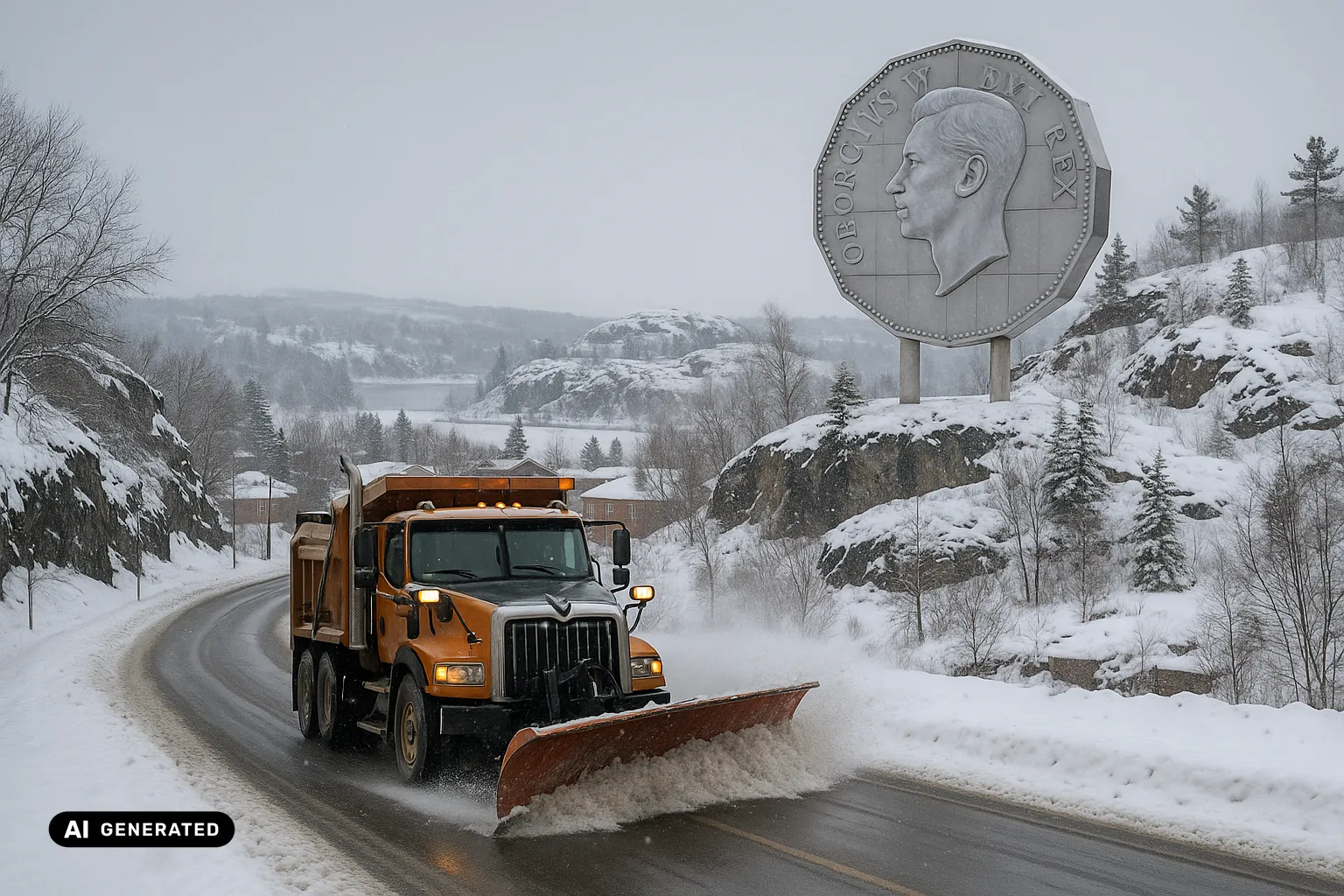
Ontario
Winter service in Greater Sudbury
What winter is really like in Greater Sudbury, Ontario: about 263 cm of snow a year, January lows near −18 °C, the City's own sidewalk ploughing at 8 cm, the 1 Dec–31 Mar overnight parking ban, the snow-dumping fine and how a huge Shield city is cleared.
Ontario
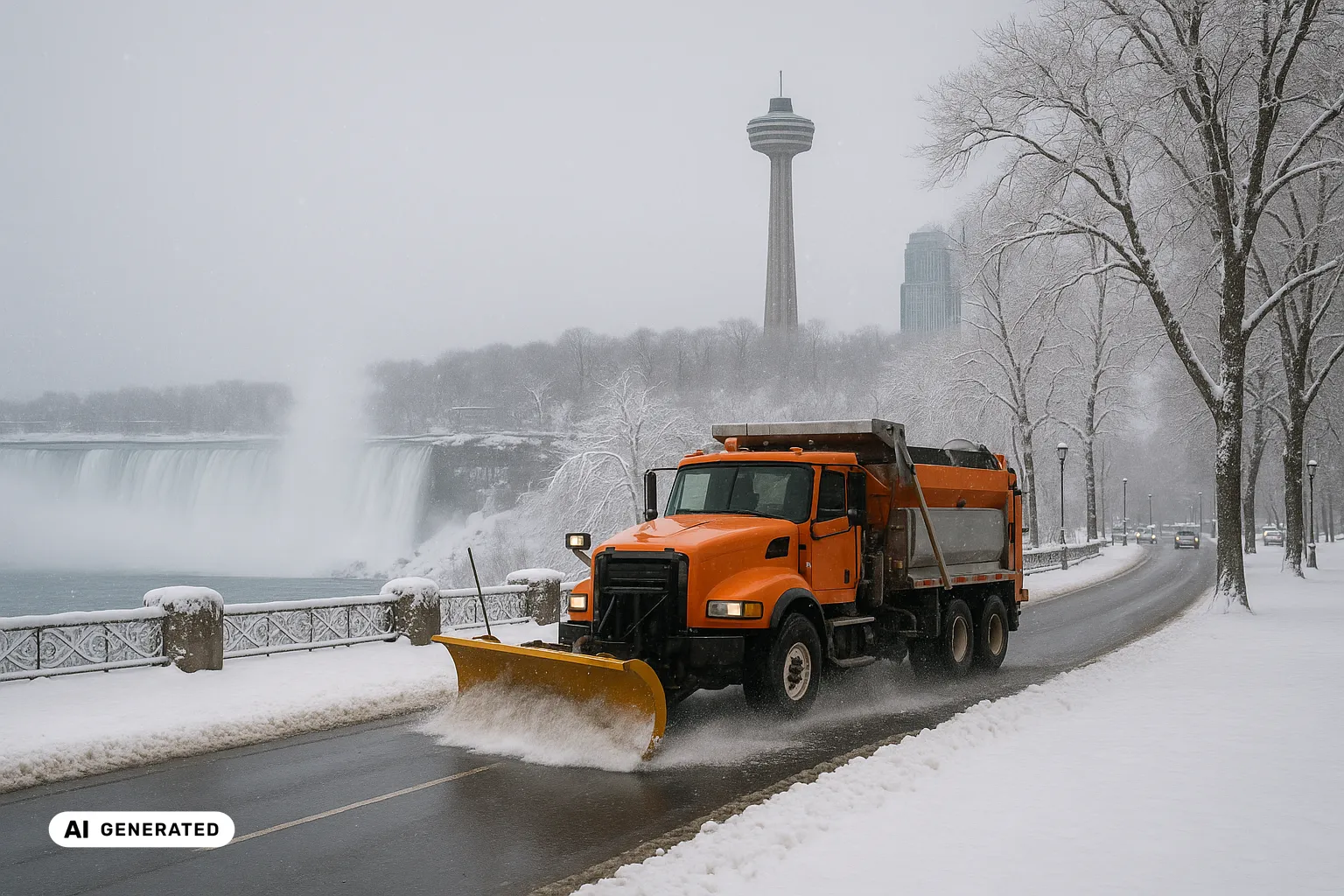
Winter service in Niagara Falls
What winter is really like in Niagara Falls, Ontario: about 154 cm of snow a year, lake-moderated and milder than the Buffalo snow belt just across the river, the spray-ice the falls throw off, the City's 8 cm plough threshold and the three tiers that clear the roads, and the new sidewalk by-law coming into effect on 1 October 2026.
Ontario
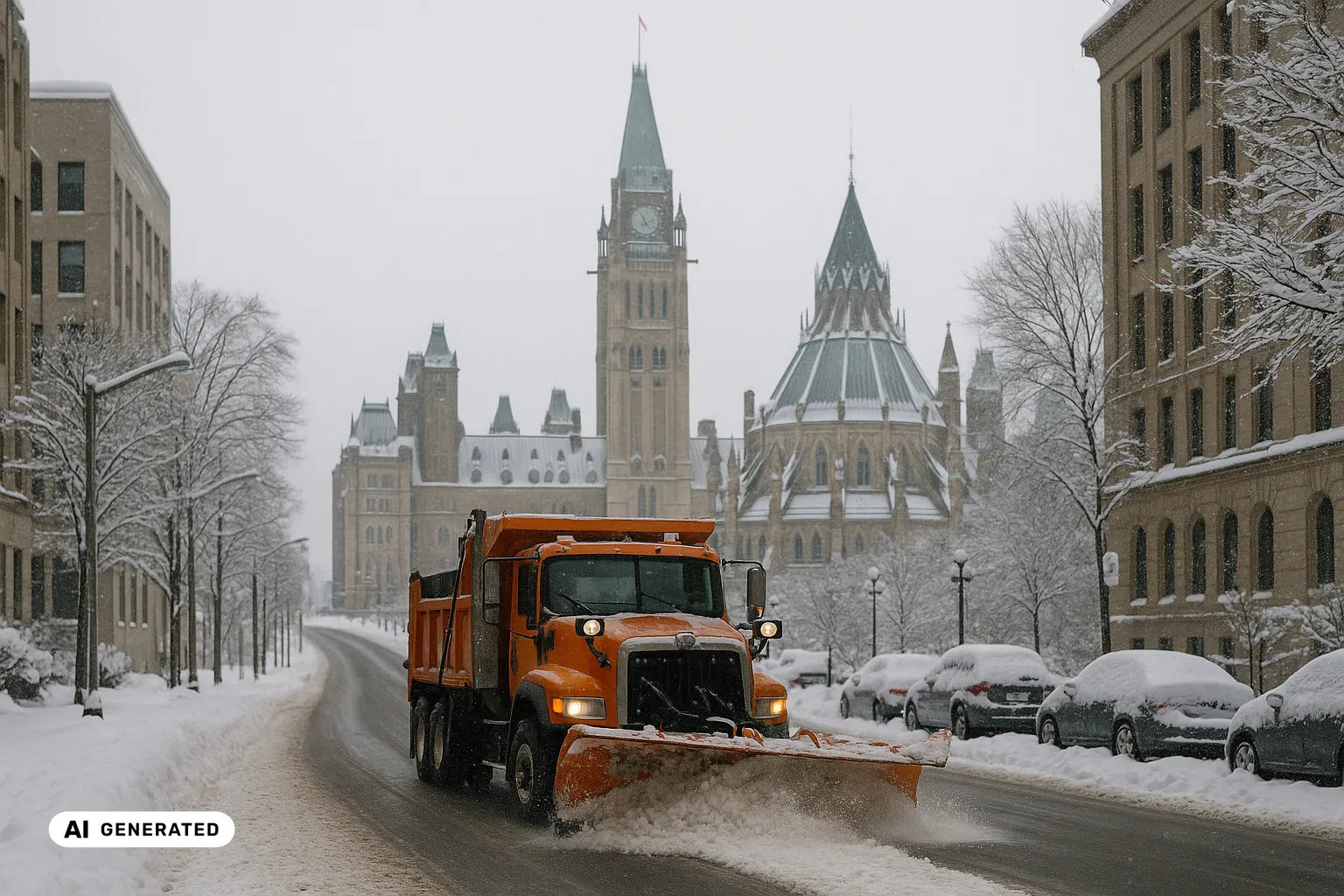
Winter service in Ottawa
What winter is really like in Ottawa: around 232 cm of snow, nights below −20 °C, the City's own sidewalk clearing with published target times, the Winter Weather Parking Ban, and who is responsible for what.
Ontario
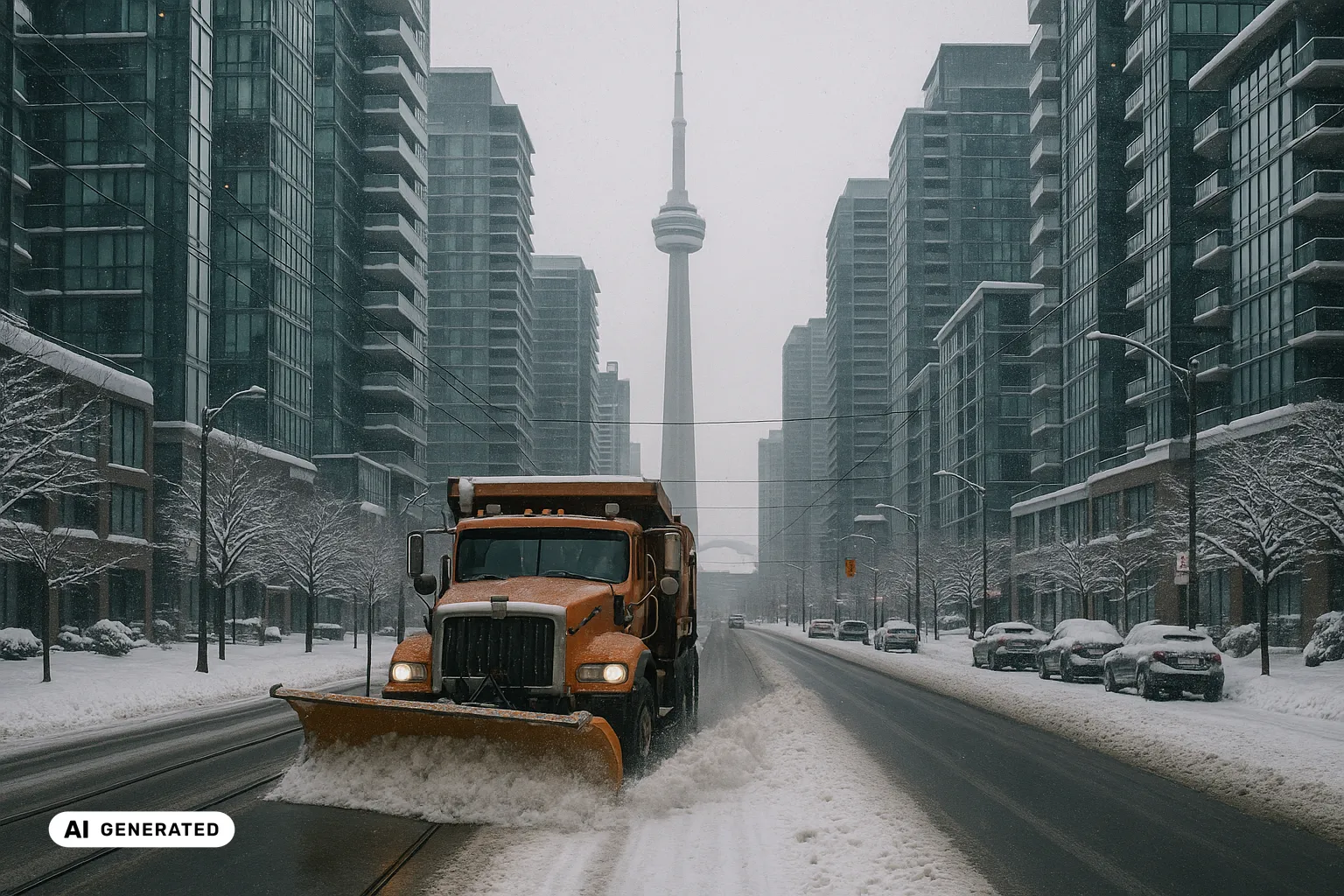
Winter service in Toronto
What winter is really like in Toronto: around 100–122 cm of snow but a season ruled by melt-and-refreeze and freezing rain, the City's 12-hour sidewalk rule and the exception that quietly hands most of it to the City, the windrow lottery across the GTA, and who is responsible for what.
Prince Edward Island
Prince Edward Island
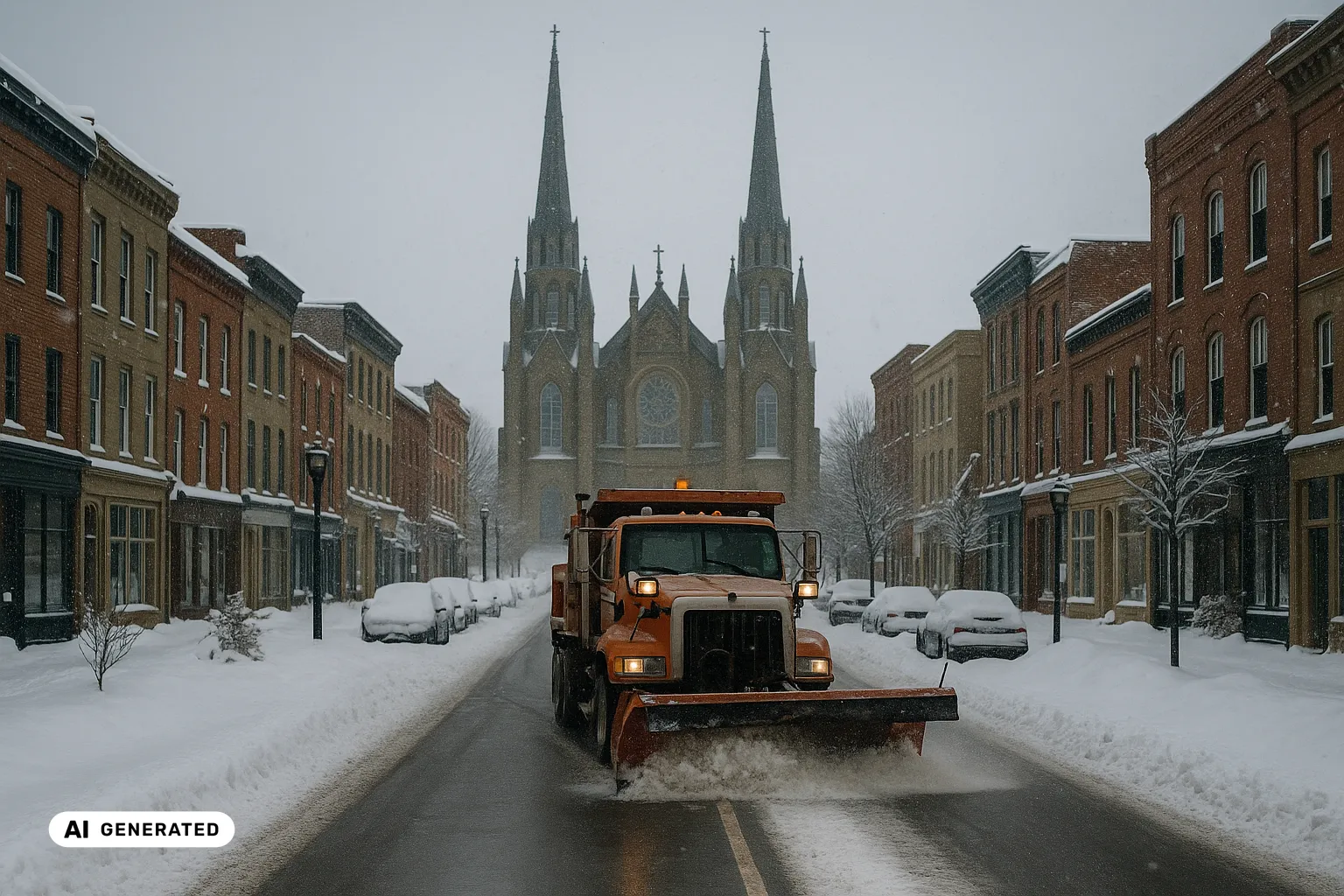
Winter service in Charlottetown
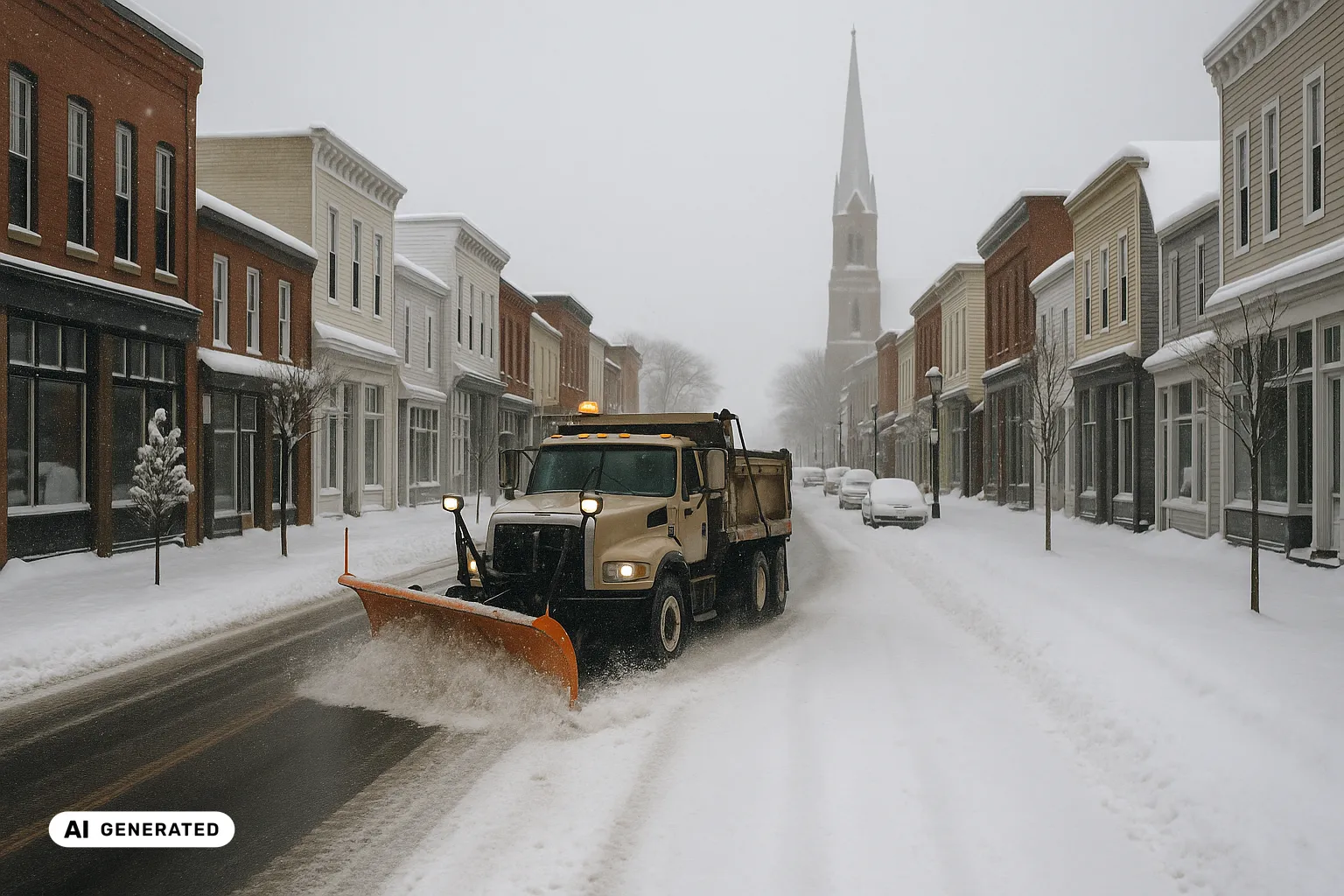
What winter is really like in Charlottetown, PEI: about 285 cm of snow a year, the commercial-only sidewalk duty under the Snow Removal Bylaw, residential streets the City clears, the 15 Nov–15 Apr overnight parking ban, ice storms and Nor'easters.
Prince Edward Island
Winter service in Summerside
What winter is really like in Summerside, PEI: about 278 cm of snow on an open, windy bay, the City ploughing and salting the sidewalks itself, the SS-07 overnight parking ban from 1 Nov to 30 Apr, and the highways the Province keeps — a different split from Charlottetown.
Quebec
Quebec
Winter service in Montreal
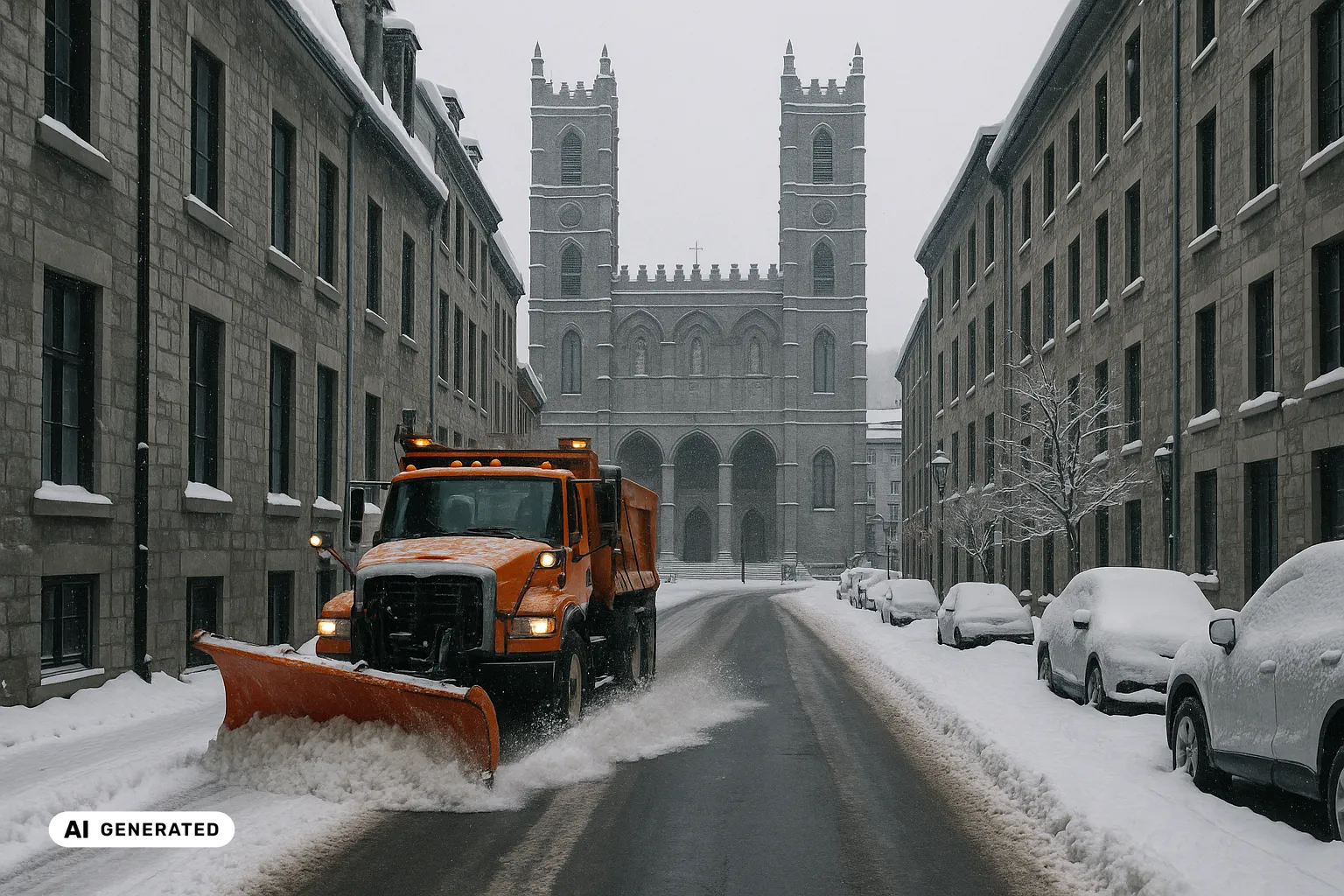
What winter is really like in Montreal: about 217 cm of snow a year, the City's haul-it-away snow-loading operation, the temporary no-parking signs and towing, who clears the sidewalks, and how the 19 boroughs differ.
Quebec
Winter service in Quebec City
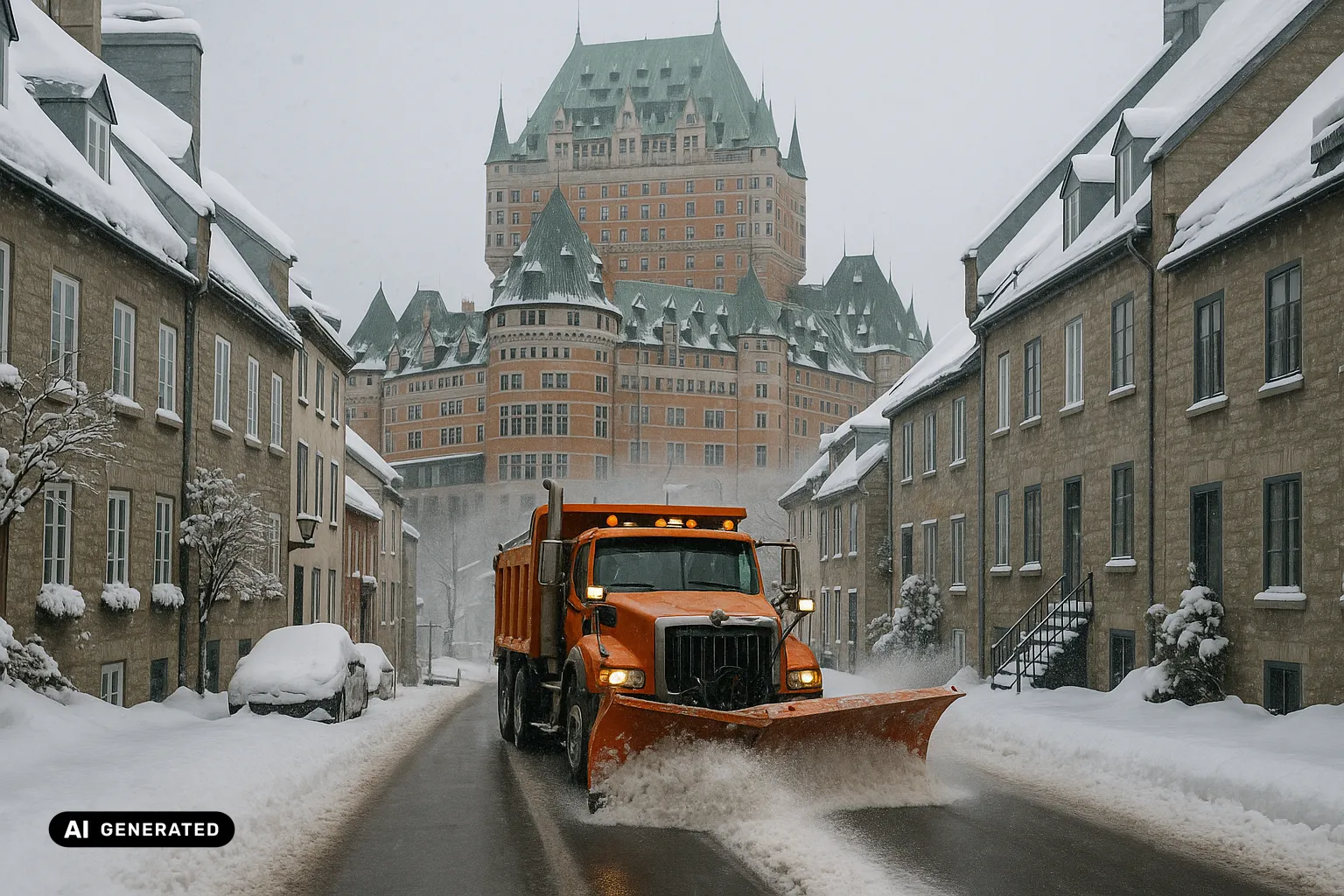
What winter is really like in Quebec City: roughly 300 cm of snow a year, the City clearing streets, sidewalks and stairs itself, the two-phase déneigement, the 1 Nov–15 Apr parking ban and the permit you need to push snow onto the street.
Saskatchewan
Saskatchewan
Winter service in Regina
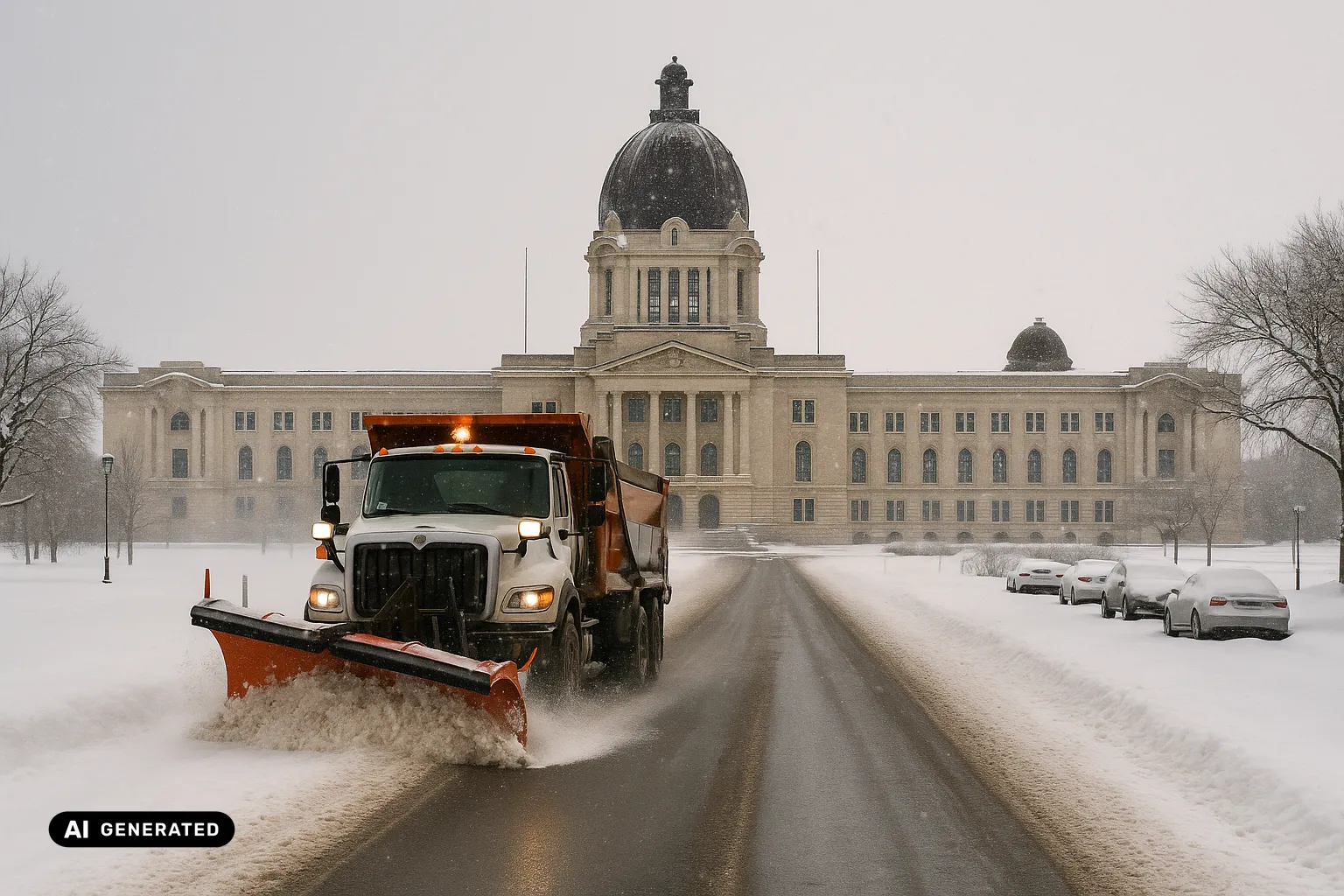
What winter is really like in Regina: about 104.6 cm of snow a year, January lows near −20 °C, and the City's Clean Property Bylaw that puts sidewalk clearing on every property owner within 48 hours — 24 in the downtown.
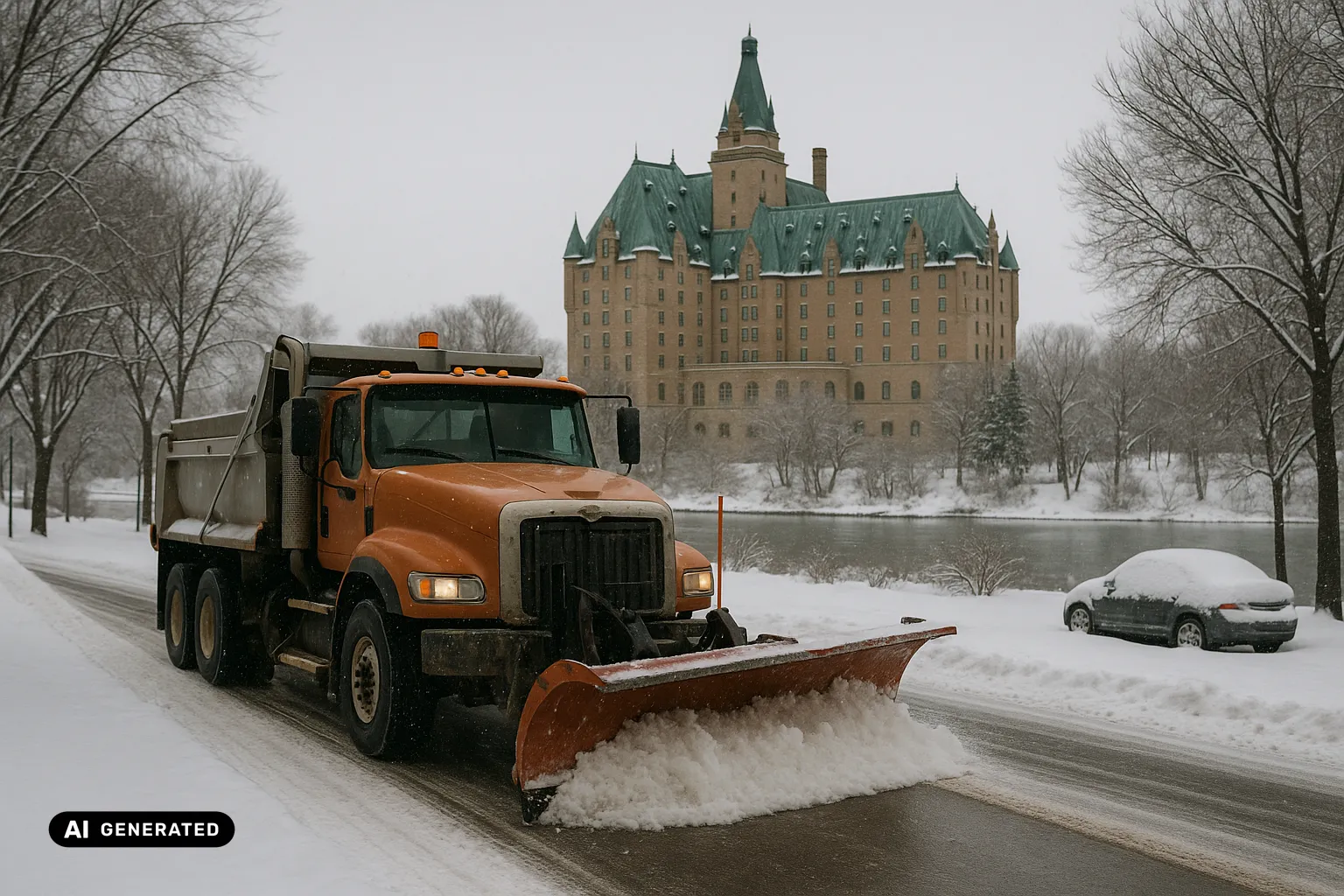
Saskatchewan
Winter service in Saskatoon
What winter is really like in Saskatoon: about 91 cm of snow a year, January lows near −21 °C, and the City's Sidewalk Clearing Bylaw that makes property owners clear their own walks within 48 hours.